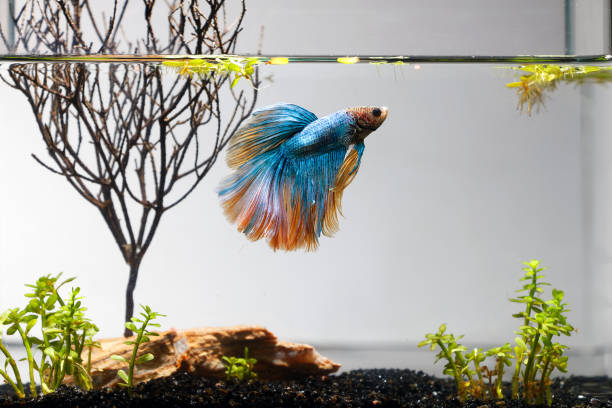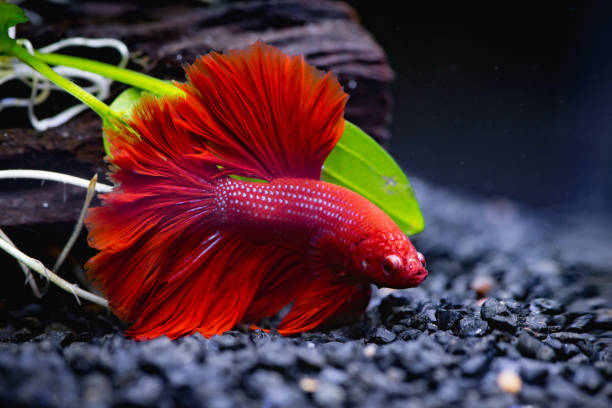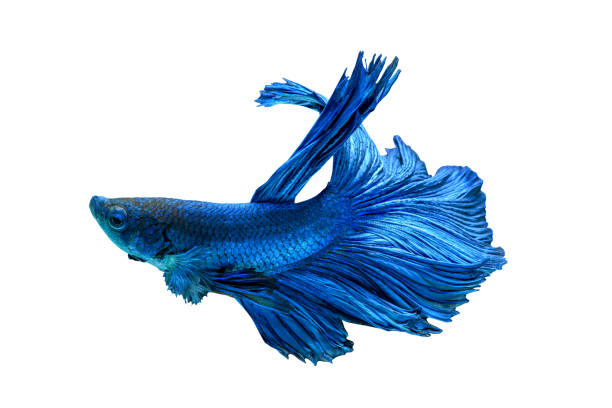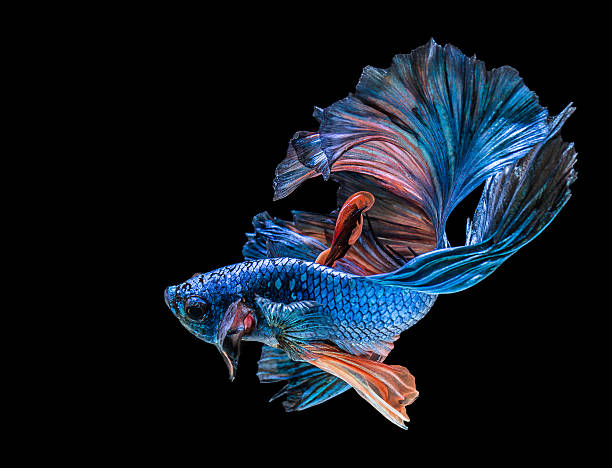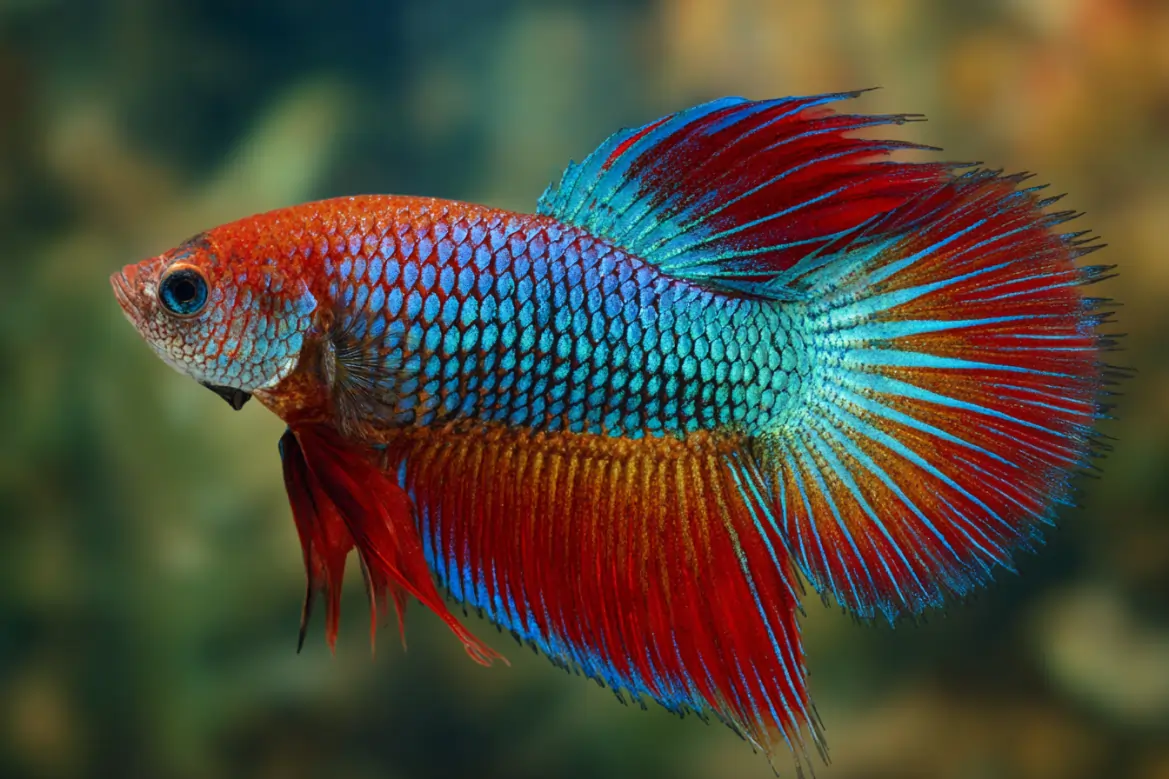
Betta fish, also known as Siamese fighting fish, are among the most captivating and colorful freshwater fish in the world. Their vibrant hues, flowing fins, and unique behaviors make them a favorite among aquarists. While they’re often seen as beginner-friendly pets due to their hardy nature, there is much more to these fascinating creatures than meets the eye.
Origins and Natural Habitat
Betta fish are native to Southeast Asia and can be found in countries such as Thailand (formerly Siam), Vietnam, Cambodia, and Malaysia. In the wild, they inhabit shallow waters like rice paddies, slow-moving streams, ponds, and marshes. These environments are often low in oxygen, which is why bettas have evolved a special organ called the labyrinth organ. This adaptation allows them to breathe air directly from the surface.
Physical Characteristics
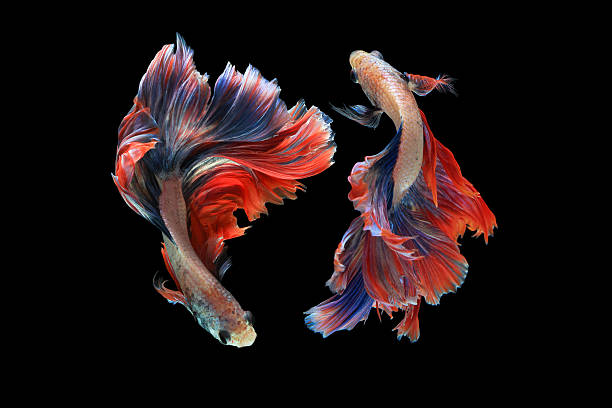
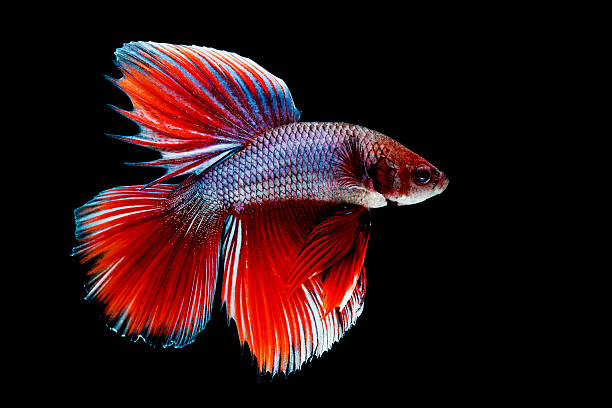
Betta fish come in a variety of stunning colors and tail types due to selective breeding over centuries.
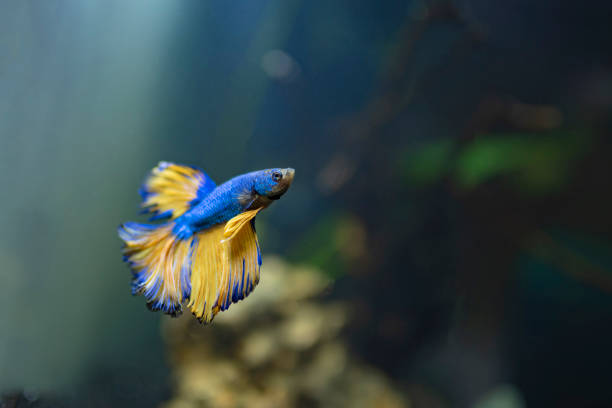
- Vibrant Colors: Wild bettas display more subdued hues such as green or brown but domesticated variants showcase vibrant blues, reds, purples, yellows, and iridescent shades.
- Tail Variations: Popular tail types include:
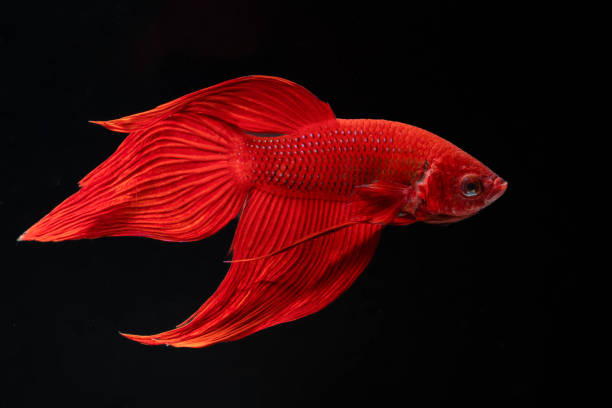
- Veil Tail
- Crowntail
- Halfmoon
- Double Tail
- Plakat (short-finned)
- Labyrinth Organ: This unique structure enables them to survive in oxygen-poor environments by allowing aerial respiration.
| Tail Type | Description |
| Veil Tail | Long flowing fins that trail behind them |
| Crowntail | Spiky appearance with webbed edges |
| Halfmoon | Spread-out tail forming a semi-circle |
| Double Tail | Two distinct tail lobes |
| Plakat | Shorter fins; resembles wild bettas |
Behavior and Temperament
Betta fish are known for their territorial nature. Male bettas especially exhibit aggressive tendencies toward one another when housed together. This behavior stems from their natural instincts to defend territory or mates in the wild.
Key behavioral traits: – Males will flare their gill covers (opercula) as a sign of dominance. – Bettas create bubble nests on water surfaces as part of their breeding process. – They recognize owners over time and may follow fingers during feeding or interaction.
Care Requirements for Betta Fish
While betta fish are often marketed as low-maintenance pets that can live in small bowls without much care, this is misleading.
- Tank Size: A minimum tank size of 5 gallons is recommended for one betta.
- Maintain water temperatures between 76°F–81°F(24°C–27°C).
- Ensure clean water with regular testing for pH levels (ideal range: 6. 5–7. 5) and ammonia/nitrite presence.
- Feed high-quality pellets specifically designed for bettas.
- Supplement with frozen or live foods like bloodworms or brine shrimp.
- Include plants (live plants such as Java fern or silk alternatives) and hiding spots like caves or decorations with smooth edges.
Proper care ensures your betta lives a healthy life that can span up to 3–5 yearsunder optimal conditions.
By understanding these key aspects of betta fish biology and care requirements, owners can appreciate not only their beauty but also their complexity as living creatures deserving of respect and proper treatment.
Lesser-Known Facts to Know Before You Buy Betta Fish Online
Betta fish, scientifically known as Betta splendens, are among the most captivating freshwater fish species. While their vibrant colors and flowing fins are widely admired, there are several intriguing and lesser-known facts about these aquatic marvels that enhance their allure. Below are some fascinating insights into the world of bettas.
- Origins:Betta fish were originally discovered in the warm, shallow waters of countries such as Thailand, Vietnam, Cambodia, and Malaysia.
- Habitat:They thrive in rice paddies, floodplains, and slow-moving streams where oxygen levels can be low. This natural habitat has contributed to their remarkable adaptability.
- Male bettas can be highly territorial and aggressive toward one another. In fact, they were historically bred for fighting competitions in Southeast Asia.
- Despite this reputation, bettas are not inherently violent; their aggression typically stems from the need to protect their territory.
Betta fish possess a specialized organ called a labyrinth that allows them to breathe air directly from the surface:
– This adaptation enables them to survive in low-oxygen environments where other fish might struggle. – It’s also why you’ll often see your betta gulping air at the water’s surface.
The vibrant hues of bettas aren’t just a product of nature but also careful breeding practices:
| Color Variations | How They Occur |
|————————|—————————————————-|
| Red & Blue | Common due to dominant genetic traits |
| Iridescent Shades | Result from structural coloration in their scales |
| Rare Colors (e. g.
Some wild bettas display more muted colors compared to domesticated varieties.
Studies suggest that these intelligent fish have the ability to recognize humans who regularly feed them:
– Bettas may exhibit excitement by swimming energetically or flaring their fins when approached by familiar individuals. – This behavior showcases their capacity for memory and interaction.
Male bettas build bubble nests on the water’s surface:
– These nests consist of bubbles coated with saliva that provide stability for fertilized eggs. – The presence of a bubble nest is usually a sign that your male betta feels healthy and ready to mate.
While wild bettas generally live around two years due to environmental challenges: – Domesticated bettas often reach 3–5 yearswith proper care. – Factors like diet variety (high-protein foods such as brine shrimp or specialized pellets) and clean water conditions significantly impact longevity.
Final Thoughts on Betta Fascination
Betta fish hold an extraordinary place both in aquariums worldwide and within cultural traditions in Southeast Asia. Their beauty extends beyond appearance into behaviors, biology, and history—making them one of the most cherished species among aquarists globally.
Understanding these lesser-known aspects adds depth to our appreciation for these remarkable creatures while ensuring better care practices for hobbyists everywhere. If you want to start exploring different betta varieties, you can browse graded bettas at https://splashyfishstore.com/collections/betta-fish-by-quality-grade.
Their grading system helps new and experienced keepers understand the differences in coloration, fin quality, and overall health, making it easier to choose a fish that matches your goals and experience level. This can be especially helpful if you’re looking for a betta with specific traits or simply want a dependable, high-quality companion for your aquarium.
Discover Fascinating Facts and Find Betta Fish for Sale
Betta fish, also known as Siamese fighting fish, are popular in aquariums around the world due to their vibrant colors and flowing fins. However, beyond their beauty lies a wealth of fascinating and lesser-known facts that make them even more intriguing.
Unlike most fish, bettas have a special organ called the labyrinth organ. This allows them to breathe air from the surface of the water. This adaptation is essential for survival in their natural habitat, where oxygen levels in stagnant waters can be very low.
- The labyrinth organ enables bettas to survive in small ponds, rice paddies, or shallow ditches.
- While they can breathe air, it’s still important to maintain proper water quality in captivity for their overall health.
- Male bettas were pitted against each other in fights to test their endurance rather than outright killing ability.
- The practice was so popular that it led to the development of selective breeding for specific traits like aggression and stamina.
While this practice has diminished over time due to conservation efforts and changing societal norms, selective breeding has influenced the modern domesticated species we see today.
- Stress or illness can cause fading of their vibrant hues.
- Some bettas exhibit “marble gene” traits where they develop unique patterns over time.
The iridescence seen on many bettas is caused by specialized cells called iridophores that reflect light differently based on angles.
| Color Change Triggers | Effect |
| Stress | Duller or faded appearance |
| Marbled genes | Development of new patterns |
| Aging | Gradual changes in vibrancy |
- Flaring gills: A sign of dominance or territorial behavior often displayed by males when they feel threatened by another fish or their reflection.
- Fin displays: Used to attract mates or deter rivals.
- Darting movements: A mark of excitement, especially during feeding times.
Understanding these behaviors helps aquarists ensure their pet’s needs are met while minimizing stress triggers such as overcrowding or poor tank conditions.
- Females tend to have shorter fins but can display gorgeous coloration.
- In community tanks with other females (a sorority), they can develop hierarchies.
- They are less aggressive compared to males but still require careful monitoring when housed with others.
Final Thoughts on Betta Trivia
Betta fish are not only captivating pets but also complex creatures with intriguing histories and biological adaptations. Understanding these lesser-known aspects not only deepens our appreciation for them but also encourages better care practices among enthusiasts seeking a harmonious environment for these fascinating aquatic companions.
Understanding the Beauty and Unique Characteristics of the Betta Fish
Betta fish, also known as Siamese fighting fish, are among the most captivating freshwater species in the aquarium hobby. Their vibrant colors, flowing fins, and distinct personality traits make them a favorite for both novice and experienced aquarists. Below is an exploration of what makes these fish so remarkable.
Stunning Coloration
One of the defining features of betta fish is their extraordinary range of colors. Over years of selective breeding, enthusiasts have developed bettas with hues that go beyond what is typically seen in nature.
- Solid Colors:Red, blue, black, white, or yellow.
- Bicolors:Where one half of the body is a different color than the other.
- Marble Patterns:Irregular blotches or spots of various colors that shift over time.
- Metallic Sheen:Iridescent scales that give a reflective appearance.
These vibrant hues are not only visually appealing but also serve as an indicator of health. A dull or faded coloration may signal stress or illness.
Unique Fin Types
Another striking feature of betta fish lies in their diverse fin shapes and structures. Different fin types give bettas a dramatic and elegant appearance in aquariums.
| Fin Type | Description |
| Veil Tail | Long, flowing fins that trail behind gracefully when swimming. |
| Crowntail | Fins with spikey edges resembling a crown. |
| Halfmoon | Wide fins that form a 180-degree arc when fully flared. |
| Double Tail | A split tail fin that gives the impression of two separate tails. |
| Plakat | Shorter fins resembling those found on wild bettas for faster swimming ability. |
Each type has its own charm and adds to the variety within the species.
Labyrinth Organ: Breathing Air
Betta fish possess a unique anatomical adaptation called the labyrinth organ, which allows them to breathe atmospheric air directly from the water’s surface. This capability is especially useful in low-oxygen environments such as shallow puddles or poorly aerated tanks.
Key points about this adaptation: – It helps them survive in habitats where oxygen levels are insufficient for most other fish. – Betta owners should ensure these fish have access to open water surfaces for breathing.
Behavior and Intelligence
Betta fish are known for their intelligence and interactive behavior: – They can recognize their owner’s presence and may swim toward them during feeding times. – Bettas are curious by nature and enjoy exploring their surroundings. – They display individual personalities; some may be more active or social than others.
Providing enrichment such as plants, caves, or floating toys can help prevent boredom while encouraging natural behaviors like hiding or bubble-nest creation.
Longevity
By understanding these unique characteristics—from dazzling appearances to fascinating behaviors—you can fully appreciate why bettas have earned their place as one of the most beloved aquarium species worldwide.
Finding Tankmates for Betta Fish: Tips from a Betta Fish Online Shop
Betta fish, also known as Siamese fighting fish, are renowned for their vibrant colors and striking fins. However, they are equally famous for their territorial and aggressive nature.
Factors to Consider When Adding Tank Mates
- Tank Size
Betta fish require adequate space to thrive, and this becomes even more crucial when introducing other species into the aquarium. Cramped spaces can lead to stress and conflicts. - Temperament Compatibility
When selecting tank mates, opt for peaceful species that won’t provoke or stress the betta. Avoid fin-nipping species or highly aggressive fish that could trigger territorial behavior in your betta. - Water Parameters
Bettas thrive in warm water with a temperature range of 76–82°F (24–28°C) and a pH between 6. 0–8. 0. Only consider tank mates that share similar water preferences to ensure all inhabitants remain healthy. - Gender of Your Betta
Male bettas are generally more aggressive than females, making them less suitable for community tanks in many cases. Female bettas tend to be more tolerant of other species, though individual temperaments still vary.
Recommended Tank Mates for Betta Fish
| Species | Description | Notes |
| Corydoras Catfish | Peaceful bottom-dwellers | Stay out of the betta’s way |
| Neon Tetras | Small and fast-moving schooling fish | Keep in groups of 6+ |
| Kuhli Loaches | Shy bottom-dwellers | Thrive in well-planted tanks |
| Mystery Snails | Slow-moving algae-eaters | Non-intrusive |
| Ghost Shrimp | Low-key scavengers | May occasionally be hunted |
Species to Avoid
- Fin-Nipping Fish: Tiger barbs or serpae tetras can damage the delicate fins of a betta.
- Large or Aggressive Fish: Cichlids or gouramis may compete with your betta for territory.
- Other Male Bettas: Two males should never be housed together as fights will almost always occur.
Tips for Introducing Tank Mates
- Gradually add new species after ensuring your tank is properly cycled and spacious enough.
- Rearrange decorations before introducing new fish to disrupt established territories.
- Monitor interactions closely during the initial days; if signs of aggression appear (flaring fins, chasing), consider separating the fish immediately.
By carefully considering these factors, you can create a stable environment where a variety of aquatic life thrives alongside your beautiful yet territorial betta fish.
- A Complete Guide to Buy Betta Fish for Sale and Care Tips
- Top 7 Most Expensive Betta Fish for Sale and What Makes Them Unique
- Where to Find the Best Betta Fish for Sale and How to Care for Them
- Essential Tips to Consider When Looking for Betta Fish for Sale and Caring for Them
- Finding the Best Betta Fish for Sale: Tips on Habitat, Feeding, and Health
- Discover the Origin, History, and Best Places to Find Betta Fish for Sale
- 8 Essential Tips to Choose the Perfect Betta Fish for Sale for Your Aquarium
- A Comprehensive Guide to Caring for Your Betta Fish from an Online Shop