

However, owning a betta is not as simple as many may think. Before you bring one home, there are several important considerations to ensure your betta lives a long and healthy life.
Understanding the Commitment
Betta fish can live up to 3-5 years if cared for properly. This isn’t just a short-term pet; it requires commitment to provide proper care over several years. Many first-time owners underestimate the needs of bettas because of their small size and reputation as “low maintenance” pets.
Key aspects to consider when committing to owning a betta:
– Time investment: Regular water changes, feeding schedules, and tank maintenance.Financial costs: Quality tanks, heaters, filters, water conditioners, and food can add up over time.Space requirements: Bettas thrive in tanks that are at least 5 gallons or larger.
Busting Common Misconceptions
- Myth: Bettas can live in small bowls or cups.
- Reality: Small containers negatively impact their health by restricting swimming space and making it harder to maintain stable water conditions. Proper tanks are essential.
- Myth: Bettas don’t need heaters or filtration systems because they’re hardy.
- Reality: While hardy compared to some species, bettas originate from tropical climates and require warm water (around 78–80°F) with stable parameters.
- Myth: Bettas survive on plant roots alone in “vase setups.
- Reality: Bettas need high-protein foods like pellets or frozen bloodworms—not plant roots—for optimal health.
Choosing the Right Betta Fish
- Look for bright colors and active swimming behavior.
- Avoid bettas with clamped fins (fins held close to the body), visible injuries, or signs of illness such as white spots (potential ich infection).
- Observe how responsive the fish is when you move closer—healthy bettas tend to be curious.
| Signs of Health | Signs of Stress/Illness |
| Vibrant coloration | Pale or faded color |
| Active swimming | Lethargic behavior |
| Smooth-flowing fins | Clamped or frayed fins |
| Clear eyes | Cloudy eyes |
Prepping Before Bringing Your Betta Home
- Purchase an appropriate tank (5 gallons minimum).
- Install a heater and thermometer; ensure water reaches tropical temperatures before adding your fish.
- Use a gentle filter with adjustable flow; strong currents can overwhelm delicate finned species like bettas.
- Treat tap water with dechlorinator or conditioner before filling the tank with clean water suitable for aquatic life.
- Add plants (real or silk) and hiding spots like caves for enrichment without sharp edges that could damage fins.
Proper preparation ensures that your new pet has everything it needs from day one—and saves you from scrambling later on trying to fix overlooked issues.
By taking time beforehand to research their needs fully—and challenging widespread misconceptions—you’ll be better equipped not only to care for but truly enjoy this remarkable species of freshwater fish.
Finding the Best Betta Fish Online Shop for a Healthy and Stress-Free Environment
Creating a stress-free environment for your betta fish revolves around maintaining proper temperature and water conditions. These factors play an essential role in your betta’s overall health, lifespan, and behavior. Understanding their natural habitat and specific needs can help you replicate the ideal conditions in your home aquarium.
The Ideal Temperature Range
Betta fish originate from the warm, shallow waters of Southeast Asia.76°F to 82°F (24°C to 28°C).
Deviations outside this range can lead to health issues:
– Too Cold: Below 74°F (23°C), bettas may become lethargic, stressed, and prone to diseases such as fin rot or ich.
– Too Hot: Prolonged exposure above 85°F (29°C) can increase metabolism excessively, causing stress and reducing their lifespan.
To maintain stable water temperatures:
– Invest in an adjustable aquarium heater designed for small tanks.
– Use a reliable thermometer to monitor temperatures daily—digital or stick-on thermometers work well.
Water Quality Essentials
Bettas are particularly sensitive to water quality. Poor water conditions can cause ammonia poisoning or bacterial infections over time.
- Dechlorinated Water: Always treat tap water with a dechlorinator before adding it to the tank since chlorine is toxic to fish.
- pH Levels: Bettas prefer slightly acidic to neutral pH levels between 6. 5 and 7. 5.
- Ammonia & Nitrite Levels: Ammonia or nitrite should always measure at zero parts per million (ppm). A reliable test kit is essential for weekly monitoring.
- Weekly Partial Water Changes: Replace 25%-30% of the tank water weekly while avoiding sudden temperature changes that could shock your fish.
The Role of Filtration and Aeration
While bettas have labyrinth organs that allow them to breathe atmospheric air, filtered tanks still promote better health by removing harmful toxins like ammonia and nitrites from the water.
Key points about filtration: – Choose gentle filters with low flow rates; strong currents can stress bettas due to their delicate fins. – Sponge filters are ideal as they provide effective biological filtration without disturbing the calm environment.
Aeration is usually not necessary if you have live plants or surface access for oxygen exchange because bettas naturally surface-breathe.
Additional Tips for Maintaining Comfort in Your Betta’s Tank
- Avoid rapid temperature changes during seasonal shifts by using an aquarium heater year-round.
- Keep lighting consistent but not overly bright; too much light may cause stress.
- Mimic their natural habitat with plants like Java fern or Anubias while leaving open swimming spaces.
| Parameter | Optimal Range | Frequency of Check |
| Temperature | 76°F – 82°F | Daily |
| pH Level | 6.5 – 7.5 | Weekly |
| Ammonia & Nitrites | 0 ppm | Weekly |
By carefully managing these elements, you’ll create an environment where your betta feels secure and thrives both physically and mentally within its aquatic world.
Creating the Perfect Environment When You Buy Betta Fish for Sale
Creating an ideal environment for your betta fish is essential to its health and wellbeing. Betta fish are tropical freshwater species that originate from the warm, slow-moving waters of Southeast Asia. To provide a stress-free environment, it’s crucial to understand their specific temperature and water requirements.
Optimal Water Temperature for Bettas
Temperature regulation is one of the most important factors in maintaining a healthy habitat for your betta. These fish thrive in warm water environments that mimic their natural habitat.
- Ideal Temperature Range: 76°F – 82°F (24°C – 28°C)
- Temperature Below 74°F:Can lead to lethargy, weakened immune system, and increased susceptibility to illnesses such as fin rot or ich.
- Temperature Above 82°F:May cause excessive stress or hyperactivity, leading to a shorter lifespan.
To maintain this range:
1. Use an aquarium heater designed for the size of your tank. 2. Invest in a reliable digital thermometer to monitor the water temperature daily. 3. Avoid placing the tank near windows or vents where temperature fluctuations occur frequently.
Water Quality Essentials
Clean, toxin-free water is another cornerstone of a stress-free environment for your betta.
- Filtration:Although bettas prefer calm waters, a gentle filter helps maintain water cleanliness by reducing ammonia buildup and removing waste particles.
- Cycling the Tank:Before introducing your betta, cycle the tank to establish beneficial bacteria that break down harmful chemicals like ammonia and nitrites into less toxic nitrates.
- Water Changes:Regular partial water changes (25–30% weekly) are necessary even with filtration systems in place.
| Parameter | Recommended Levels |
| Ammonia | 0 ppm |
| Nitrites | 0 ppm |
| Nitrates | <20 ppm |
Testing kits are widely available and should be used frequently to ensure parameters remain within safe levels.
pH Levels: Finding Balance
Bettas prefer slightly acidic to neutral pH levels: – Ideal pH Range:Between 6. 5 and 7. 5. Abrupt shifts in pH can cause stress or shock; therefore: 1. Test pH levels regularly using an aquarium test kit. 2. Avoid adding untreated tap water directly into the tank without using a conditioner to neutralize chlorine or heavy metals.
Stress-Reducing Elements
A controlled environment requires more than just optimal temperature and water quality: 1. Add live plants like Java fern or Anubias to replicate natural surroundings while improving oxygenation. 2. Provide hiding spots using decorations, caves, or driftwood for your betta to retreat when it feels threatened. 3. Ensure proper lighting cycles—12 hours of light followed by darkness—to support their natural biological rhythm.
By paying attention to these key factors—temperature control, consistent water quality maintenance, balanced pH levels, and stress-reducing elements—you’ll foster an ideal living space where your betta can thrive physically and behaviorally over time.
Buy Betta Fish Online: Hidden Insights on Stress, Aggression, and Behavior Every Owner Should Know
Betta fish, often referred to as “Siamese fighting fish,” are known for their beauty and vibrant colors. However, beneath their stunning exterior lies a complex behavioral profile that all owners should understand. Stress and aggression are two critical aspects of betta behavior that can impact their health and wellbeing. This guide explores these behaviors to help you create an environment where your betta thrives.
Understanding Stress in Betta Fish
Betta fish are highly sensitive to changes in their environment.
- Poor Water Quality: High ammonia or nitrate levels can lead to physical stress, resulting in lethargy or illness.
- Improper Tank Size: Bettas need enough space to swim freely; small tanks often lead to feelings of confinement.
- Sudden Environmental Changes: A rapid temperature drop or fluctuations in pH can cause stress.
- Overcrowding: Keeping a betta with tank mates that it perceives as threats can elevate stress levels significantly.
- Lack of Hiding Spaces: Without proper decor or plants, bettas may feel exposed and vulnerable.
Symptoms of stress include clamped fins, lack of appetite, pale coloration, excessive hiding, or darting around the tank erratically.
Aggression in Bettas – What Triggers It?
Aggression is an innate characteristic of male bettas due to their territorial nature.
- Presence of Other Male Bettas
Male bettas view other males as competitors for territory and resources. Housing two males together almost always results in aggressive displays or fights. - Reflection Misinterpretation
Bettas often perceive their reflection on the glass as another fish and may flare or attack it repeatedly. - Incompatible Tank Mates
Fast-moving species like barbs or fin-nipping fish such as tetras can trigger defensive or aggressive behavior from your betta. - Lack of Territory Definition
Without clear boundaries established through plants or decorations, a betta may patrol the entire tank aggressively.
How to Address Behavioral Issues
Reducing Stress
- Temperature: 78–80°F (25–27°C)
- pH Level: 6. 5–7.
- Ammonia/Nitrite Levels: 0 ppm
- Provide plenty of live plants (e. g. , Java fern) and caves for hiding.
- Avoid overfeeding; feed small amounts once or twice daily.
- Use a sponge filter to prevent strong currents that may tire out your fish.
Managing Aggression
- Keep only one male per tank unless using divider setups.
- Choose peaceful species such as kuhli loaches or ember tetras.
- Add extra hiding spots for smaller fish to retreat from potential confrontations.
- Place decorations strategically to break sightlines within the aquarium.
- Limit light exposure if reflections are causing constant flaring.
| Potential Stressor | Solution |
| Poor water quality | Regular water changes; test parameters |
| Overcrowded tank | Reduce number of inhabitants |
| Reflection-related flaring | Adjust lighting; add background film |
Observing Your Betta’s Behavior
Each betta has its own personality—while some are naturally bold and active, others are shy and reserved by nature. Pay attention to your fish’s unique behavior patterns over time so you can quickly identify any deviations indicative of stress or health issues.
By understanding the root causes behind common behavioral concerns like stress and aggression—and knowing how to address them—you’ll ensure your betta feels secure while living its happiest life possible within your care space.
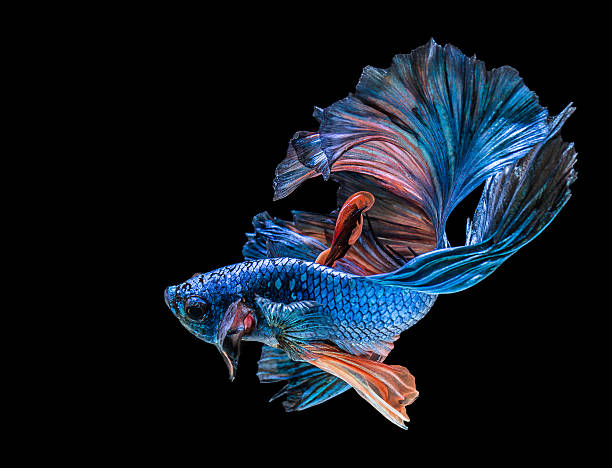
How to Create the Perfect Tank Setup for a Happy and Healthy Betta Fish
Creating the perfect tank setup is essential to ensure your betta thrives in its environment. While bettas are often marketed as low-maintenance pets, their health and happiness heavily depend on a well-thought-out habitat that mimics their natural conditions. Below, we’ll explore key elements of an ideal tank setup.
Tank Size: Bigger Is Better
One of the biggest misconceptions about bettas is that they can live happily in small bowls.
- Minimum Tank Size: A 5-gallon tank is the absolute minimum for a single betta fish. Larger tanks (7-10 gallons or more) provide more stability in water parameters.
- Swimming Space: Bettas are active swimmers and need room to explore and exercise.
- Water Quality: In smaller tanks, toxins like ammonia can build up quickly, which can stress or harm your fish.
| Tank Volume | Suitable for Betta? | Notes |
| < 2 Gallons | No | Poor water quality; limited space |
| 5 Gallons | Yes | Minimum recommended size |
| 10+ Gallons | Ideal | More stable parameters |
Filtration System
Bettas require clean water but dislike strong currents. Select a filter with gentle flow settings to avoid stressing your fish.
- Sponge Filters: Great choice for beginners due to low flow and ease of maintenance.
- Adjustable Power Filters: Ensure you can reduce the flow rate if needed.
Tip: Use baffles or sponges near filter outputs to further reduce water turbulence.
Temperature and Heating
Bettas are tropical fish that thrive at temperatures between 76°F–82°F (24°C–28°C). Sudden drops in temperature can weaken their immune system.
- Invest in an adjustable aquarium heater with a thermostat to maintain consistent warmth.
- Use a reliable thermometer to monitor tank temperature daily.
Substrate Options
- Gravel: Popular and easy to clean but ensure smooth edges to protect fins.
- Sand: A softer alternative that’s also good for rooted plants.
- Avoid sharp or coarse substrates that might damage delicate fins.
Plants and Decorations
Bettas need hiding spots and enrichment within their tanks.
Live Plants:
- Java Fern
- Anubias
- Amazon Sword
Decorations:
- Smooth ceramic caves
- Driftwood
- Floating leaves or artificial plants designed specifically for aquariums
Pro Tip: Avoid plastic plants with rough edges, which can tear fins.
Lighting Considerations
Provide moderate lighting as bettas prefer dimmer environments similar to their natural habitats. Too much light may cause stress, while too little may stunt plant growth if you have live vegetation.
Water Parameters
| Parameter | Ideal Range |
| Temperature | 76°F–82°F (24°C–28°C) |
| pH Level | 6.5–7.5 |
| Ammonia/Nitrite/Nitrate Levels | 0 ppm / 0 ppm / <20 ppm |
Perform weekly partial water changes (25%-30%) using dechlorinated water at the same temperature as the tank.
Aeration Needs
While bettas have labyrinth organs allowing them to breathe surface air, adequate aeration improves oxygen levels within the tank for overall health.
By following these guidelines, you’ll create an enriching habitat where your betta fish can thrive both physically and mentally, ensuring a longer lifespan with fewer health complications.
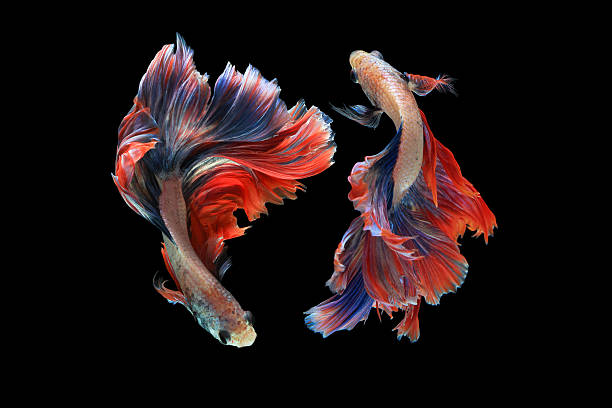
Biggest Mistakes to Avoid Before Bringing Home Your First Betta Fish
Betta fish, with their vibrant colors and flowing fins, are enchanting pets that captivate many aquarium enthusiasts. However, first-time betta owners often make critical mistakes that can negatively impact the health and happiness of their new aquatic companion. Understanding these common pitfalls before bringing your first betta home is essential to ensure its well-being.
One of the most widespread misconceptions about bettas is that they thrive in small bowls or containers.thrivein cramped spaces.
- Small bowls restrict swimming space, leading to stress and lethargy.
- They make maintaining water quality difficult, as waste builds up quickly.
- Limited space prevents the addition of a heater or filter—both essential for a healthy environment.
What you need: Provide a tank of at least 5 gallonswith proper filtration and heating to mimic natural conditions.
Water quality might seem like a minor detail, but it’s one of the most significant factors affecting your betta’s health. Many new owners fail to establish appropriate water parameters before introducing their fish.
- Using untreated tap water can introduce harmful chemicals like chlorine.
- Neglecting regular water changes can result in ammonia spikes and poor living conditions.
| Ideal Water Parameters for Bettas | Acceptable Range |
| Temperature | 76°F–82°F |
| pH Level | 6.5–7.5 |
| Ammonia and Nitrites | 0 ppm |
| Nitrates | <20 ppm |
Pro Tip:Use a water conditioner to neutralize toxins in tap water, invest in an aquarium testing kit, and commit to weekly partial water changes (25%-30%).
Bettas are known for their territorial nature, especially males who may act aggressively toward other fish with flowing fins or bright colors resembling their own. Many novice aquarists mistakenly add incompatible tank mates without researching potential conflicts.
- Other male bettas
- Gouramis
- Fancy guppies
- Fish prone to fin-nipping (e. g.
- Safe companions: Consider peaceful species such as:
- Snails (e. g.
- Shrimp (e. g.
- Small schooling fish like neon tetras or harlequin rasboras
Note:Always monitor interactions when introducing new tank mates and have a backup plan if aggression arises.
Another common mistake is rushing the process by adding a betta immediately after setting up a tank. Many new owners skip the crucial step of “cycling” the aquarium, which establishes beneficial bacteria that break down waste products.
- Add substrate, decorations, and plants.
- Set up filtration and heating equipment.
- Test the nitrogen cycle over several weeks using an aquarium test kit.
During this time, monitor ammonia, nitrite, and nitrate levels until ammonia reaches zero—a sign that your tank is cycled.
Final Thoughts
Avoiding these beginner mistakes will set you on the right path toward providing your betta with a long and healthy life. By prioritizing proper tank size, maintaining excellent water quality, carefully selecting compatible tank mates, and preparing your tank correctly before introducing your fish, you’ll create an environment where your betta can truly thrive rather than merely survive.
Betta fish, known for their territorial nature and vibrant personalities, often have a reputation for being solitary creatures. While this can sometimes be true, there are several tank mates that can peacefully coexist with a betta if chosen carefully and introduced under the right conditions. Below is a guide to 7 real betta tank mates that typically work well without triggering aggression.
Key Considerations Before Adding Tank Mates
- Tank Size: A minimum of 10 gallons is recommended when housing a betta with other species to allow sufficient space.
- Temperament: Choose peaceful and non-aggressive species to avoid conflicts.
- Appearance: Avoid brightly colored or long-finned fish that may resemble another male betta, as this can provoke aggression.
- Habitat Setup: Provide plenty of plants, hiding spots, and decorations to establish territories and reduce stress.
List of Compatible Tank Mates
- Behavior: Peaceful bottom-dwellers that do not compete for food or space with bettas.
- Minimum Group Size: 3-6 (preferably kept in small schools).
- Benefits: They clean up leftover food and help maintain tank hygiene.
- Behavior: Shy, nocturnal scavengers that rarely interact directly with bettas.
- Minimum Group Size: At least 4-6 individuals for comfort.
- Habitat Needs: Require soft substrates like sand to prevent injury while burrowing.
- Behavior: Small schooling fish (6+ individuals recommended) that stay in the mid-to-upper levels of the tank.
- Compatibility: Known for their calm nature and subdued colors, making them unthreatening to bettas.
- Role in the Aquarium: Algae-eaters that mind their own business while keeping the tank clean.
- Additional Benefit: Their hard shells protect them from curious or nipping bettas.
- Behavior: Non-aggressive scavengers focusing on algae and waste cleanup.
- Cautionary Note: Some bettas may see shrimp as prey; ensure plenty of hiding spots if housing together.
- Behavior: Peaceful algae-eating fish that remain small and unobtrusive.
- Group Size Recommendation: Best kept in groups of at least 3-4 individuals.
- Characteristics: Small, bright orange schooling fish with calm dispositions suitable for community tanks.
- Minimum Group Size: Keep at least 5-6 together for social comfort.
Tips for Introducing Tank Mates
- Rearrange decorations before introducing new tank mates to disrupt established territories.
- Gradually acclimate all new additions to the water parameters in your aquarium.
- Monitor interactions closely during the first few days; remove any species showing signs of distress or aggression.
- Maintain excellent water quality by performing regular water changes and testing parameters frequently.
| Species | Tank Level | Group Size Needed | Unique Benefits | Special Considerations |
| Corydoras Catfish | Bottom | 3+ | Reduces leftover food buildup | Needs smooth substrate |
| Kuhli Loaches | Bottom | 4+ | Burrowers; keep substrate clean | Hides often; needs ample cover |
| Harlequin Rasboras | Mid-to-top | 6+ | Active yet peaceful schoolers | Best suited to larger aquariums |
| Nerite Snails | All Levels | Individual | Algae control | Requires calcium-rich environment |
| Amano Shrimp | Bottom | Few-to-many | Excellent cleaners | May become prey without hiding places |
| Otocinclus Catfish | Bottom-to-mid | 3+ | Gentle algae eaters | Sensitive to poor water conditions |
| Ember Tetras | Mid | 5+ | Bright but non-threatening | Prefers planted tanks |
By carefully considering your tank size, setup, and species compatibility, creating a harmonious community aquarium with your betta as its centerpiece is achievable without stress or aggression among its inhabitants.
5 Real Betta Tank Mates That Actually Work Without Aggression in Your Aquarium
Betta fish are known for their striking colors and flowing fins, but they also have a reputation for aggression. This can make selecting tank mates a challenge. However, with careful planning and awareness of their needs, you can introduce compatible species to share the aquarium with your betta. Below are real betta tank mates that are generally peaceful and less likely to provoke territorial behavior.
1.Corydoras Catfish
Corydoras catfish are bottom dwellers that rarely interact with bettas, making them ideal companions in a shared tank.
- Size: Typically 2-3 inches
- Temperament: Peaceful and social (best kept in groups of 4 or more)
- Tank Requirements: Minimum of 10 gallons; plenty of hiding spaces
Their non-confrontational nature and preference for staying near the substrate minimize the likelihood of conflict with a territorial betta.
2.Kuhli Loaches
These eel-like fish are excellent additions to larger tanks with bettas because they are nocturnal and spend much of their time hiding during the day.
- Size: Around 3-5 inches
- Temperament: Shy and peaceful (prefer groups of at least 3)
- Tank Requirements: Minimum of 15 gallons; soft substrate like sand
Their low activity levels during daylight hours help create a harmonious environment.
3.Harlequin Rasboras
Harlequin rasboras are small schooling fish that stick to the middle or top levels of the tank, generally avoiding direct confrontation with bettas.
- Size: About 2 inches
- Temperament: Peaceful; thrive in groups (6+ recommended)
- Tank Requirements: Minimum of 10 gallons; heavily planted setups preferred
Their calm demeanor reduces stress for both species, provided there is adequate space.
4.Snails (e.g., Nerite Snails or Mystery Snails)
Snails can serve as excellent tank mates due to their slow pace and ability to clean up algae in the aquarium.
| Snail Type | Size | Diet | Key Traits |
| Nerite Snails | ~1 inch | Algae & biofilm | Cannot reproduce in freshwater |
| Mystery Snails | ~2 inches | Vegetation/algae | Fascinating shell patterns |
These snails typically avoid interacting directly with your betta due to their distinct movement patterns and low activity levels.
5.Ember Tetras
Like rasboras, ember tetras do well as schooling fish when kept in larger numbers within an appropriately sized tank.
- Size: Around 1 inch
- Temperament: Very peaceful (groups of at least 8 recommended)
- Tank Requirements: Minimum of 10 gallons; dimly lit tanks suit them best
Their bright orange coloration adds visual appeal without overwhelming the beauty of your betta.
Tips for Adding Tank Mates
- Start with a spacious tank — aim for at least 10 gallonsor more if adding multiple species.
- Avoid fin-nipping species like barbs or guppies that may stress or injure your betta.
- Monitor interactions closely during introductions — be prepared to separate fish if aggression occurs.
- Create hiding spots using plants, caves, or driftwood to reduce visible stressors.
- Introduce new species gradually rather than all at once.
By carefully evaluating each species’ behavior and habitat needs, you can craft an aquarium community where your betta feels secure while coexisting peacefully with others.
Adding compatible species not only enriches the aquatic environment but also provides fascinating interactions for you as an observer — all while maintaining the wellbeing and happiness of your prized betta fish.
- A Complete Guide to Buy Betta Fish for Sale and Care Tips
- Top 7 Most Expensive Betta Fish for Sale and What Makes Them Unique
- Where to Find the Best Betta Fish for Sale and How to Care for Them
- Essential Tips to Consider When Looking for Betta Fish for Sale and Caring for Them
- Finding the Best Betta Fish for Sale: Tips on Habitat, Feeding, and Health
- Discover the Origin, History, and Best Places to Find Betta Fish for Sale
- 8 Essential Tips to Choose the Perfect Betta Fish for Sale for Your Aquarium
- A Comprehensive Guide to Caring for Your Betta Fish from an Online Shop