
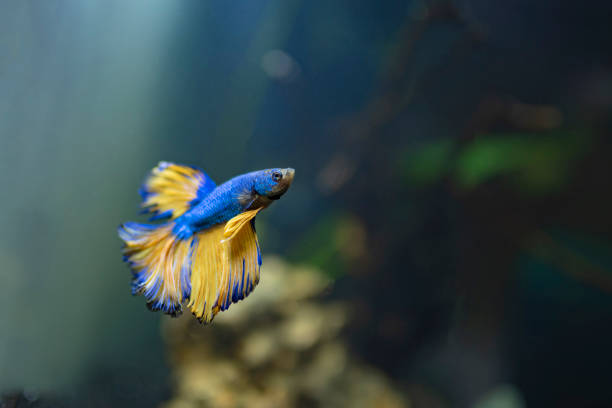
The betta fish, also known as Betta splendens or Siamese fighting fish, has a rich and captivating history that dates back centuries. Native to Southeast Asia, bettas were first discovered in freshwater environments like rice paddies, slow-moving streams, and shallow ponds. These habitats shaped their unique ability to survive in low-oxygen environments, thanks to their labyrinth organ—a specialized structure that allows them to breathe air from the surface.
Origins in Southeast Asia
The earliest records of betta fish trace back to Thailand (formerly Siam), Cambodia, Vietnam, and Malaysia. In these regions, wild bettas were observed living in harsh conditions where water supplies were often limited. Over time, local populations began to take notice of their aggressive behavior during territorial disputes. This led to the practice of selectively breeding them for fighting purposes—a tradition that played a significant role in shaping today’s domesticated betta fish.
Cultural Significance
The name “betta” is thought to be derived from an ancient warrior clan called “Bettah.” In Thailand, these fish were commonly referred to as “pla kat,” meaning “biting fish.” Their popularity grew rapidly in the 19th century when King Rama III presented domesticated fighting bettas as gifts during international exchanges. By the late 1800s and early 1900s, bettas had caught the attention of aquarists and traders worldwide.
Evolution of Betta Breeding
- Solid Colors: Red, blue, white
- Bi-colored Variants: Body one color; fins another
- Marble Patterning: Irregular splotches that change over time
- Koi Variants: Multi-colored patterns resembling koi carp
These developments have made bettas one of the most popular aquarium species globally.
| Betta Type | Key Features |
| Crowntail | Spiky fin edges resembling a crown |
| Halfmoon | Fins form a semi-circle when flared |
| Plakat | Short-finned variety |
| Veiltail | Long flowing tail |
| Double Tail | Two distinct tails |
Conservation Concerns
While domestic breeding has flourished over the years, wild populations face challenges due to habitat destruction and pollution. The International Union for Conservation of Nature (IUCN) lists several wild Betta species as vulnerable or near-threatened due to these factors.
Understanding the origin and history of the betta fish enhances our appreciation for this remarkable species while also emphasizing our responsibility toward its care and conservation efforts.
Finding the Best Betta Fish Online Shop for Creating the Ideal Tank Environment
Providing a proper tank environment is essential to ensuring the health, longevity, and happiness of your betta fish. While bettas are often thought of as hardy and capable of thriving in minimal setups, their well-being improves significantly when their habitat is carefully designed to meet their natural needs.
Tank Size: Why Bigger is Better
- Contrary to popular belief, bettas should not be housed in small bowls or tanks.
- A tank with 5 gallons (19 liters) or more is ideal for a single betta.
- Smaller tanks make it difficult to maintain water quality and temperature stability.
- Larger tanks provide more space for exercise, stimulation, and healthy living.
| Tank Size | Recommended Use | Maintenance Frequency |
| Under 2 gallons | Not recommended for bettas | High maintenance |
| 5 gallons | Ideal for single bettas | Moderate maintenance |
| 10+ gallons | Great for advanced setups | Easier maintenance |
Appropriate Water Parameters
Betta fish originate from warm waters in Southeast Asia, so replicating these conditions in your tank is crucial.
Key parameters to monitor: – Temperature: Maintain between 76°F and 82°F (24°C – 28°C) using an aquarium heater. – pH levels: Bettas prefer slightly acidic to neutral water with a pH ranging from 1.1 to 1.1. – Ammonia/Nitrite/Nitrate: Regularly test water quality with kits. Ammonia and nitrite levels should always be at zero, while nitrate levels should be kept under 20 ppm.
Filtration and Aeration
While bettas have labyrinth organs that allow them to breathe air directly from the surface, having a filter is still essential for maintaining water quality. – Invest in a gentle filter with adjustable flow settings to prevent stress caused by strong currents. – Sponge filters are particularly effective as they provide biological filtration without creating excessive water movement.
Substrate Considerations
The substrate at the bottom of the tank not only affects aesthetics but also impacts the overall environment: – Sand or smooth gravel substrates are best since they are gentle on a betta’s delicate fins. – Avoid sharp or rough surfaces that could cause injury.
Lighting Needs
Bettas thrive under a natural day-night cycle: – Use an aquarium light for around 8–12 hours daily. – Ensure that bright lights are avoided at night as they can stress your fish.
The Importance of Regular Water Changes
Maintaining clean water is vital: – Perform partial water changes weekly (around 25–30%) to remove waste buildup and toxins. – Always use dechlorinated or conditioned tap water suitable for aquariums during refills.
By carefully designing your betta’s tank environment with these factors in mind, you create an ecosystem where your fish can thrive both physically and behaviorally. A well-maintained habitat leads to healthier and more vibrant fish who display their full range of personality traits.
How to Buy Betta Fish for Sale and Create the Perfect Tank Environment
Providing your betta fish with the ideal tank environment is essential for their health, longevity, and overall well-being. Betta fish, also known as Siamese fighting fish, are tropical freshwater species with specific needs that must be met to ensure they thrive in captivity. Below is a comprehensive guide to creating an optimal tank environment for your betta.
Tank Size
Although bettas are often kept in small bowls or containers due to their ability to breathe air via their labyrinth organ, this is far from ideal. A proper tank size improves their quality of life significantly.
- Recommended minimum tank size: 5 gallons (19 liters)
- Optimal size for long-term care: 10 gallons (38 liters) or larger
- Smaller tanks result in poor water conditions and increased stress levels for the fish.
Water Parameters
| Parameter | Ideal Range |
| Temperature | 76°F – 82°F (24°C – 28°C) |
| pH Level | 6.5 – 7.5 |
| Ammonia and Nitrite | 0 ppm |
| Nitrate | <20 ppm |
- Use a reliable aquarium thermometer to monitor temperature.
- A heater is necessary to maintain stable warmth in colder climates.
- Regularly test water using an aquarium test kit.
Filtration System
- Choose a gentle filter: Bettas dislike strong currents that can stress them out or damage their delicate fins.
- Look for adjustable-flow filters designed specifically for small tanks.
- Always cycle the tank before introducing your betta to establish beneficial bacteria colonies.
Substrate Selection
- Gravel or sand are both suitable options.
- Avoid sharp-edged substrates that may damage your betta’s fins or body.
Lighting Requirements
- Opt for low-intensity LED lights designed for aquariums.
- Provide about 8–12 hours of light per day but avoid placing the tank near direct sunlight as it can cause algae overgrowth and temperature fluctuations.
Plants and Hiding Spots
- Use live plants such as Java fern, Anubias, or Amazon sword. These plants not only enhance aesthetics but also improve water quality by absorbing nitrates.
- Add caves or decorations with smooth edges where they can retreat when stressed.
Regular Maintenance Practices
- Perform weekly partial water changes (25–30%) to prevent toxin buildup.
- Remove uneaten food promptly to avoid contamination.
- Clean algae build-up on glass surfaces using an aquarium-safe sponge.
By taking these steps, you create a supportive ecosystem tailored to meet the needs of your betta fish—ensuring they lead a healthy, happy life in their aquatic home.
How to Buy Betta Fish Online and Create the Perfect Tank Decor
Creating a visually appealing and enriching environment for your betta fish is more than just an aesthetic decision. Proper tank decor can promote physical activity, reduce stress, and mimic the natural habitat of bettas, ensuring their overall well-being. Here’s how to choose the best decor to enhance your betta’s tank.
1. Prioritize Safety in Tank Decorations
When selecting decor, safety should always come first. Betta fish have delicate fins that are prone to tearing or damage if they encounter sharp edges or rough surfaces.
- Avoid sharp objects: Choose items that are smooth and do not have jagged edges.
- Inspect materials: Ensure decorations are made from non-toxic, aquarium-safe materials that will not leach harmful substances into the water.
- No small openings: Avoid items with tiny holes where your betta could get stuck. A curious betta might explore tight spaces.
2. Mimic Their Natural Habitat
Bettas originate from rice paddies, shallow streams, and ponds in Southeast Asia. Replicating this environment can help them feel more comfortable and secure.
- Incorporate soft substrate options like sand or smooth gravel to imitate their natural conditions.
- Use driftwood and rocks sparingly while ensuring they are non-abrasive and clean.
3. Functional Decor for Enrichment
Betta fish are intelligent creatures that enjoy exploring their environment. Interactive decor can provide mental stimulation while also serving practical functions.
Examples include: – Hiding spots: Caves, ceramic pots (free of sharp edges), or hollow logs offer places for rest and shelter. – Floating logs: These allow your betta to explore the surface of the tank where they naturally like to dwell. – Betta hammocks: Leaf-shaped rests positioned near the water’s surface let your fish lounge comfortably.
| Functional Decor | Benefits |
| Hiding caves | Provides security and minimizes stress |
| Floating logs | Encourages natural exploration patterns |
| Betta hammock | Supports resting near the water’s surface |
4. Adding a Personal Touch with Themed Decor
For aquarists looking to express creativity while catering to their bettas’ needs, themed decorations can be a great addition.
Ideas include: – Subtle ornaments such as miniature temples for an Asian-themed setup. – Nature-inspired themes featuring driftwood, moss balls, and river rocks for a minimalist look.
Avoid overcrowding the tank with too many items as this can restrict swimming space and lead to poor water circulation.
5. Regular Maintenance of Tank Decorations
Keeping the decor clean is essential for maintaining a healthy habitat: 1. Gently scrub algae off decorative items using an aquarium-safe brush. 2. Remove decorations periodically for thorough cleaning but avoid harsh soaps or chemicals. 3. Inspect each item regularly for wear or damage that could harm your fish.
By strategically selecting safe, functional, and aesthetically pleasing decorations, you’ll create a thriving habitat where your betta fish can flourish both physically and mentally while showcasing its vibrant personality in style.
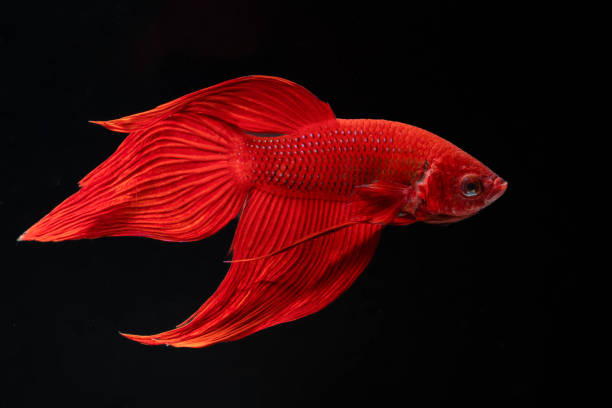
Breeding Betta Fish: A Step-by-Step Guide for Beginners
Betta breeding can be a rewarding yet challenging process, particularly for beginners. Before starting this venture, it is crucial to understand the steps involved in breeding and creating the right environment for success. This guide outlines the essential steps and considerations to help you along the way.
Preparing for Breeding: Selecting Your Betta Pair
- Age: Both the male and female bettas should be between 4 and 12 months old for optimal breeding.
- Health: Select fish with no signs of illness or fin damage. They should have vibrant colors, full fins, and active behavior.
- Compatibility: Choose a male and female that are not overly aggressive toward each other during initial encounters.
Tip: Ensure your chosen pair belongs to the same species (Betta splendens) to prevent complications during breeding.
Setting Up the Breeding Tank
| Parameter | Recommended Range |
| Tank Size | 10 gallons |
| Water Temperature | 78–82°F (25–28°C) |
| pH Level | 6.5–7.0 |
| Water Hardness | Soft to moderately hard |
- Use a sponge filter to maintain gentle water flow.
- Add live plants like Java moss or floating plants like Amazon frogbit to mimic their natural habitat.
- Include a hiding spot using caves or ornaments for the female betta as she may need protection from an aggressive male.
- Lower water levels to about 5 inches (12 cm) as this helps fry swim more easily after hatching.
Introducing Male and Female Bettas
- Place the male betta in the prepared tank first.
- Keep the female betta in a transparent container within the same tank so they can see one another without direct contact.
- Male Betta: Builds a bubble nest at the water’s surface.
- Female Betta: Displays vertical stripes on her body (indicating fertility) and appears interested in approaching the bubble nest.
If both fish respond positively, release the female into the tank carefully.
The Mating Process
- The male will court the female by flaring his fins and performing mating dances near her.
- Once ready, they will embrace under or near the bubble nest, during which eggs are released by the female.
- The male fertilizes these eggs instantly before collecting them into his bubble nest.
Note: After spawning, remove the female from the tank as males tend to become territorial while guarding eggs.
Caring for Eggs and Fry
- Avoid disturbing or removing him from his role as caregiver.
- Minimize tank disruptions such as loud noises or unnecessary movement around it.
Once fry are free-swimming (approximately three days post-hatch), carefully remove their father from their environment and begin feeding them specially formulated fry food like infusoria or micro worms.
Breeding bettas successfully requires patience, proper preparation, and careful observation of their behavior throughout each stage of reproduction. By following this step-by-step guide thoroughly, you can enhance your chances of success while ensuring a safe experience for both parent fish and their offspring alike.
Breeding Betta Fish: A Step-by-Step Guide for Beginners
Breeding betta fish can be a rewarding experience, but it requires careful preparation, patience, and attention to detail. Betta fish, also known as Siamese fighting fish, are unique in their reproductive habits and require specific conditions to successfully breed. Below is a comprehensive guide to help beginners navigate the process.
Step 1: Selecting the Right Pair
- The male and female bettas should be healthy, active, and free of any visible signs of disease or injury.
- Both fish should be at least 4–12 months old for optimal fertility.
- Look for signs of interest when introducing the male and female (e.g., flaring by the male or horizontal stripes on the female).
- Avoid pairing overly aggressive individuals that may harm one another.
Step 2: Setting Up the Breeding Tank
Creating a separate breeding tank is vital to ensure safety and control over the environment.
- Tank Size: A minimum of 10 gallons is recommended.
- Water Conditions: Maintain a temperature between 78°F–80°F with a pH around 6.5–7.5. Use a sponge filter to avoid strong currents that could disrupt bubble nests.
- Lighting: Provide moderate lighting since both darkness and excessive brightness can stress bettas.
- Hiding Spots: Add plants or decorations like Indian almond leaves to create hiding spots for the female if aggression occurs.
- Bubble Nest Support: Include floating items like Styrofoam cups or broad-leaf plants where males can build their bubble nests.
| Element | Ideal Condition |
| Temperature | 78°F – 80°F |
| pH Level | 6.5 – 7.5 |
| Tank Capacity | At least 10 gallons |
Step 3: Conditioning Your Bettas
Before breeding, condition your bettas by providing them with high-quality food over a span of one to two weeks.
- Bloodworms
- Brine shrimp
- Daphnia
- Ensure they eat small portions two to three times per day.
This conditioning helps stimulate reproductive readiness in both genders.
Step 4: Introducing the Pair
- Place the male betta in the breeding tank first to allow him time to acclimate and begin building his bubble nest.
- Introduce the female using a clear divider or floating container where she remains visible but safe from direct contact.
- The male may flare his fins or start building a nest under suitable conditions.
- The female may display vertical stripes, signaling readiness for breeding.
If aggression escalates significantly or either fish becomes excessively stressed, separate them immediately.
Step 5: Spawning Process
Once both fish show readiness: 1. Release the female into the tank carefully. 2. Allow courtship behaviors such as chasing and circling; this may take hours or even days. 3. Successful spawning will result in eggs falling from their embrace, which are collected by the male into his bubble nest. 4. After spawning is complete, remove the female immediately as her role is finished at this stage, and leaving her with an overly protective male could lead to injury.
Step 6: Caring for Eggs and Fry
- Do not disturb the tank during this period as stress can cause males to abandon their nests.
- Once fry become free-swimming (3–4 days after hatching), remove the male from the tank to prevent accidental predation.
- Start feeding fry with infusoria or commercially available liquid fry food before transitioning them gradually to baby brine shrimp as they grow larger.
Note: Maintain pristine water quality throughout this process by performing small daily water changes (10–20%) without disturbing fry development.
By following these steps meticulously, beginners can embark on an exciting journey into breeding betta fish while promoting healthy outcomes for both parents and offspring alike.
Fun and Interactive Ways to Play Games with Your Betta Fish
Betta fish are intelligent, curious creatures that can benefit greatly from mental stimulation. Providing your betta with opportunities for interactive play not only strengthens the bond between you and your pet but also enhances their overall quality of life. Here are some engaging ways to play games with your betta fish.
Benefits of Playing with Your Betta
- Mental Stimulation: Keeps your betta active and reduces boredom.
- Physical Exercise: Encourages natural swimming behaviors, which promote better health.
- Bonding: Helps build trust between you and your betta.
Interactive Games to Play
- Place a small hand mirror near the tank for a short period (no longer than 5 minutes).
- This allows the betta to flare its fins as it sees its reflection, mimicking natural territorial behavior.
- Use this sparingly, as overuse may cause stress.
- Gently move your finger along the outside of the tank glass.
- Most bettas will curiously follow your finger’s path.
- Reward this behavior by giving a small treat after playtime.
- Purchase a lightweight ping pong ball and place it on top of the water in the tank.
- Bettas enjoy nudging or pushing objects around with their noses.
- Ensure the ball is clean and free from harmful chemicals before using.
- Use floating food pellets as part of an interactive feeding session.
- Drop individual pellets one at a time, encouraging your betta to swim around for its meal rather than eating in one spot.
Creating DIY Toys for Betta Fish
| DIY Toy | Description | Safety Tips |
| Floating Ring | Make a ring using safe aquarium tubing or buy one pre-made. Allow your betta to swim through it. | Avoid sharp edges that may harm fins. |
| Aquarium-safe Leaves | Add Indian almond leaves or artificial silk leaves for hiding purposes or exploration. | Ensure no chemicals are present on surfaces. |
Tips for Safe Playtime
- Limit each play session to about 5–10 minutes per day to avoid over-stimulating your fish.
- Watch for signs of stress such as faded colors, clamped fins, or erratic swimming patterns during play.
- Always use materials that are labeled aquarium-safe when introducing toys or objects into their environment.
Providing fun activities not only keeps your betta healthy but also showcases their incredible intelligence and personality. With these simple ideas, you can ensure that both you and your aquatic friend enjoy meaningful interaction every day.
- A Complete Guide to Buy Betta Fish for Sale and Care Tips
- Top 7 Most Expensive Betta Fish for Sale and What Makes Them Unique
- Where to Find the Best Betta Fish for Sale and How to Care for Them
- Essential Tips to Consider When Looking for Betta Fish for Sale and Caring for Them
- Finding the Best Betta Fish for Sale: Tips on Habitat, Feeding, and Health
- Discover the Origin, History, and Best Places to Find Betta Fish for Sale
- 8 Essential Tips to Choose the Perfect Betta Fish for Sale for Your Aquarium
- A Comprehensive Guide to Caring for Your Betta Fish from an Online Shop