
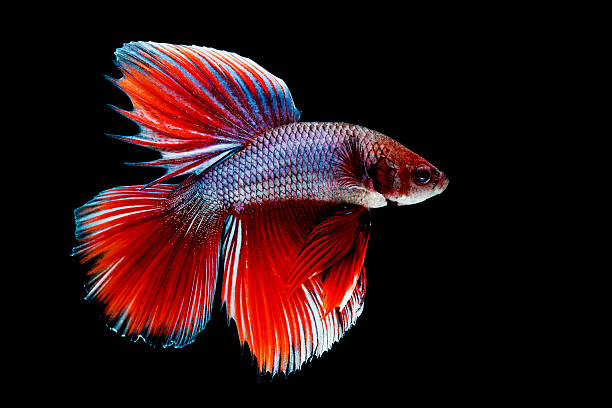
Caring for betta fish (Betta splendens) requires a thoughtful understanding of their unique needs. These vibrant, intelligent fish have specific requirements to thrive in captivity. Below is a comprehensive guide to help you ensure your betta fish enjoys a healthy and comfortable life.
Choosing the Right Habitat
- Bettas need at least a 5-gallon tank to swim comfortably.
- Larger tanks reduce stress and allow for better water quality.
- Temperature: Maintain between 76°F and 82°F (24°C–28°C).
- pH levels: Slightly acidic to neutral (6.5–7.5).
- Ammonia/Nitrite: Keep at zero ppm; nitrate should be below 20 ppm.
- Use a gentle filter that won’t produce strong currents, as bettas prefer calm waters.
- Avoid excessive water movement that may exhaust your fish.
- Provide hiding spots using live or silk plants, caves, and ornaments without sharp edges.
- Avoid plastic decorations that can tear fins or injure the fish.
| Requirement | Ideal Range/Type |
| Tank Size | Minimum of 5 gallons |
| Water Temperature | Between 76°F – 82°F |
| pH Level | Between 6.5 – 7.5 |
| Nitrate Levels | Below 20 ppm |
Feeding Betta Fish
Proper nutrition is essential for the growth and well-being of your betta fish. They are carnivorous by nature, so their diet should mimic what they eat in the wild.
- Types of Food
Betta diets can include: - High-quality pellet food specifically formulated for bettas.
- Freeze-dried or frozen options like bloodworms, brine shrimp, or daphnia.
- Occasional live food for enrichment, such as mosquito larvae.
- How Much to Feed Overfeeding is a common issue with bettas. To prevent health problems:
- Feed small portions once or twice daily.
- Offer only what they can consume within two minutes.
- Consider one fasting day per week to promote digestion health.
Promoting Health and Well-Being
- Regular Water Changes
Replace about 25% of the tank water weekly if using a filter; increase frequency if unfiltered. - Monitoring Behavior
Signs of stress or illness include clamped fins, lethargy, loss of appetite, or discoloration. - Avoid Aggressive Tankmates
Male bettas are territorial; avoid housing them with other males or fin-nipping species like barbs.
By focusing on these aspects—habitat setup, proper feeding habits, and preventive care—you can provide your betta fish with an environment where it will thrive both physically and mentally.
How to Buy Betta Fish Online and Create the Perfect Aquarium Setup
Proper aquarium setup is crucial for the well-being and longevity of your betta fish. These visually stunning creatures require specific conditions to thrive. Below, we’ll explore the key aspects to consider when creating the ideal environment for your betta.
Finding the Perfect Tank Size and Shape at a Betta Fish Online Shop
While bettas are often marketed as suitable for small bowls or tiny tanks, such setups are inadequate for their needs. Ideally:
– The minimum tank size should be 5 gallons. Larger tanks are even better as they provide more swimming space and a stable water environment.
– Bettas prefer horizontally-oriented tanks over vertical ones since they are surface breathers and swim laterally.
| Tank Size | Suitable For? | Notes |
| < 2 Gallons | No | Too small; poor water parameters |
| 5 Gallons | Yes | Minimum recommended size |
| 10+ Gallons | Ideal | More space; enhanced stability |
Best Water Temperature and Quality When You Buy Betta Fish for Sale
Bettas originate from tropical environments, so maintaining proper water temperature is vital:
– Keep the water temperature between 76–82°F (24–28°C) with the help of an adjustable heater. Sudden temperature fluctuations can stress or harm your fish.
– Use a quality water conditioner to remove chlorine, chloramines, and heavy metals from tap water before adding it to the tank.
Monitoring water quality is equally important:
– Maintain a pH level in the range of 1.1–1.1 (neutral/slightly acidic).
– Use a filter to ensure clean, oxygenated water while preventing strong currents—bettas prefer calm waters.
Substrate and Decorations
Bettas enjoy exploring their surroundings, so choosing an appropriate substrate and decorations enhances both their environment and mental stimulation:
– Select smooth substrates like fine gravel or sand to avoid damaging delicate fins.
– Include hiding spots such as caves, ceramic decorations, or smooth rock formations where they can retreat if feeling stressed.
– Live plants like Java fern, Anubias, or Amazon sword not only mimic their natural habitat but also help improve water quality by absorbing nitrates.
Avoid sharp objects or decorations with jagged edges that could tear their fins.
Lighting Requirements
Bettas require moderate lighting to mimic natural day-night cycles:
– Provide light for around 8–12 hours per day using an aquarium-specific LED light. Too much light can cause stress or algae growth.
– Ensure there is sufficient shade or dimmed areas in the tank where your betta can rest comfortably.
Filtration System Considerations
Key considerations: – Opt for a filter with adjustable flow rates or baffles to reduce current strength. – Sponge filters are a gentle option often preferred by many betta owners.
Summary Checklist for Betta Tank Setup
To ensure your aquarium meets your betta’s needs: 1. Minimum tank size of 5 gallons. 2. Maintain stable temperatures between 76–82°F. 3. Treat tap water with a conditioner. 4. Provide smooth substrate and safe decorations. 5. Include live plants to enhance aesthetics and improve water quality. 6. Use low-flow filtration systems suitable for calm waters. 7. Implement appropriate lighting schedules with shaded areas available.
A well-prepared aquarium not only contributes to your betta’s physical health but also supports its mental well-being by mimicking its natural habitat effectively.

Aquarium Setup for Betta Fish: Creating the Perfect Environment
Betta fish, also known as Siamese fighting fish, are vibrant and hardy creatures that thrive in a well-structured environment. Providing the right aquarium setup is essential to ensure their well-being and longevity. Below is a guide to creating an ideal home for your betta.
Tank Size and Dimensions
- Minimum Tank Size: A common misconception is that bettas can live happily in small bowls, but they require at least 5 gallons of water for proper swimming space and water quality stability.
- Shape: Rectangular tanks are preferred over narrow or tall ones as they provide more horizontal swimming room.
Water Parameters
Betta fish need specific water conditions to thrive. Here are key parameters you should monitor:
| Parameter | Ideal Range | Notes |
|——————|————————–|—————————————–|
| Temperature | 76–82°F (24–28°C) | Use a reliable aquarium heater to maintain consistency. |
| pH Level | 6.5–7.5 | Avoid drastic fluctuations in pH levels. |
| Ammonia/Nitrite | 0 ppm | Regularly test your water to ensure these levels stay at zero. | | Nitrate | <20 ppm | Perform weekly partial water changes to manage nitrates. |
Filtration and Aeration
- Filtration: A gentle, adjustable filter is essential to maintain clean water while avoiding strong currents that can stress your betta.
- Aeration: Bettas are labyrinth fish, meaning they can breathe air from the surface, so aeration isn’t strictly required but can improve oxygen levels.
Substrate Options
Select substrates that not only enhance the tank’s aesthetic appeal but also promote easy cleaning: – Gravel: Smooth gravel prevents injuries to delicate fins. – Sand: Fine sand mimics natural environments but may require regular stirring to prevent compaction. – Bare Bottom Tanks: Ideal for easy maintenance but lacks aesthetic value.
Plants and Decorations
Creating an enriched environment with plants and decorations keeps your betta mentally stimulated: 1. Live Plants – Examples: Anubias, Java Fern, Marimo Moss Balls – Benefits: Improves oxygen levels and creates hiding spots. 2. Artificial Plants – Opt for silk options over plastic ones to prevent fin tearing. 3. Decorations – Include caves or ornaments with smooth edges where bettas can rest or hide.
Lighting Requirements
Bettas need consistent lighting schedules to regulate their biological clock: – Use a timer for 8–12 hours of light per day. – Avoid direct sunlight as it may cause overheating or algae growth.
Other Considerations for Betta Tanks
- Use a cover or lid on the tank since bettas are known jumpers.
- Acclimate your betta slowly when introducing them into their new environment by floating the bag in the tank for 15–20 minutes.
By following these guidelines, you’ll create a thriving habitat where your betta can display its full range of behaviors and stunning colors while enjoying optimal health in its aquatic home.
What Do Betta Fish Eat and How Much Should You Feed Them?
Feeding your betta fish properly is critical for their overall health, longevity, and vibrant appearance. These beautiful fish are carnivorous by nature, so understanding their nutritional requirements is essential to providing a balanced and appropriate diet. Below, we’ll explore what bettas eat, how much you should feed them, and some tips to keep your fish healthy.
Natural Diet of Betta Fish
- Insects: Bettas eat small insects that fall onto the surface of the water.
- Larvae: They consume mosquito larvae and other aquatic insect larvae.
- Tiny Crustaceans: Small crustaceans like daphnia provide essential nutrients.
This protein-heavy diet gives them the energy needed for their active lifestyle and helps maintain their vibrant colors.
Best Foods for Captive Betta Fish
- Betta-specific pellets are a staple food option because they’re formulated with high protein content.
- Choose high-quality pellets over generic ones to avoid fillers that may lack nutritional value.
- Brine shrimp: A rich source of protein that supports muscle growth.
- Bloodworms: A common treat that mimics their natural prey.
- Daphnia: Provides fiber and aids in digestion.
- Offers convenience while still being packed with nutrients.
- Soak freeze-dried foods before feeding to avoid bloating in your fish.
Foods to Avoid:
- Generic tropical fish flakes (low in protein).
- Bread or human food (difficult for bettas to digest).
- Overly fatty foods that can lead to health problems like obesity.
Feeding Schedule: How Much and How Often?
Overfeeding is one of the most common mistakes made by new betta owners. It’s crucial to control portion sizes and establish a regular feeding routine.
- Portion Size: Feed your betta an amount they can consume in 2–3 minutes per meal. This typically equals 2–4 pellets or the equivalent amount of live/frozen food.
- Adults: Feed 1–2 small meals per day.
- Fry (baby bettas): Require more frequent feeding due to rapid growth (up to 4 times daily).
Skipping one day of feeding per week can be beneficial as it allows their digestive system time to rest.
Signs You May Be Overfeeding
| Symptom | Cause | Solution |
| Bloated abdomen | Overeating | Reduce portion size |
| Lethargy | Digestive discomfort | Implement “fasting days” |
| Cloudy water | Excess uneaten food | Clean the tank regularly |
Always monitor how much food remains after each feeding session and adjust portions accordingly.
Tips for Healthy Feeding Habits
- Vary their diet with a mix of pellets and supplemental live/frozen foods.
- Remove uneaten food within five minutes after feeding to maintain clean water conditions.
- Avoid over-relying on treats like bloodworms; use them sparingly as part of a balanced regimen.
- Observe your betta during feeding times—this helps detect any changes in appetite or behavior that may indicate underlying health issues.
Proper nutrition lays the foundation for a healthy, active, and colorful life for your betta fish. With thoughtful meal planning, portion control, and varied dietary options tailored specifically toward them, you can ensure your aquatic companion thrives under your care while displaying its brilliant hues at peak vitality.
Common Diseases in Betta Fish and How to Address Them
Betta fish, despite their vibrant colors and hardy nature, are susceptible to a variety of diseases. Knowing how to identify these ailments and address them effectively is crucial for maintaining the health of your betta. Below is a detailed guide on common diseases in betta fish, their symptoms, causes, and treatments.
1. Fin Rot
Symptoms:
– Frayed or tattered fins
– Blackened or reddened fin edges
– Fins appearing shorter over time
Causes:
– Poor water quality or unclean tank conditions
– Bacterial or fungal infections
Treatment:
– Improve water quality by performing regular water changes (25%-50% weekly).
– Use antibacterial medications like Kanamycin or Maracyn as directed.
– Avoid overfeeding, as uneaten food can degrade water quality.
2. Ich (White Spot Disease)
Symptoms:
– Small white spots resembling grains of salt on the body and fins
– Scratching against objects in the tank due to irritation
– Lethargy and loss of appetite
Causes:
– Parasitic infection caused by Ichthyophthirius multifiliis
– Stress from sudden changes in water temperature
Treatment:
| Treatment Step | Action | |—————-|———| | Raise Water Temperature: | Gradually increase tank temperature to 78–80°F to speed up the parasite’s lifecycle. | | Aquarium Salt Bath: | Add aquarium-safe salt (1 tsp per gallon) to assist healing. | | Medications: | Use specific ich treatments containing malachite green or formalin for severe cases. |
3. Swim Bladder Disorder (SBD)
Symptoms:
– Difficulty swimming upright or floating sideways
– Struggling to sink or rise in the tank
– Bloated appearance
Causes:
– Overfeeding leading to constipation
– Poor diet, often low in fiber
– Sudden temperature changes
Treatment:
1. Fasting: Stop feeding for 24–48 hours to allow the digestive system to reset.
2. Cooked Peas Diet: Feed a blanched, deshelled pea cut into small pieces as a natural laxative once fasting ends. 3. Water Temperature Regulation: Maintain stable water temperatures around 78°F for optimal digestion.
4. Velvet Disease
Symptoms: – Rusty gold or yellowish dust-like coating on skin – Clamped fins – Increased gill movement due to difficulty breathing
Causes: – Parasite (Piscinoodinium) infection – Poor tank maintenance
Treatment: – Turn off aquarium lights—the parasite thrives under light. – Treat with copper-based medications specifically designed for velvet. – Quarantine affected fish if kept with others.
Preventing Diseases in Betta Fish
- Test water parameters regularly (ammonia = 0 ppm, nitrite = 0 ppm, nitrate <20 ppm).
- Perform partial weekly water changes.
- Keep bettas solitary unless housed with compatible species in large tanks.
- Isolate new fish for at least two weeks before introducing them into your main aquarium.
- Feed a balanced diet consisting of high-quality pellets along with occasional live/frozen treats like brine shrimp or daphnia.
By understanding these common diseases and taking steps to prevent them, you can ensure your betta leads a healthy life with minimal complications from illness.
- A Complete Guide to Buy Betta Fish for Sale and Care Tips
- Top 7 Most Expensive Betta Fish for Sale and What Makes Them Unique
- Where to Find the Best Betta Fish for Sale and How to Care for Them
- Essential Tips to Consider When Looking for Betta Fish for Sale and Caring for Them
- Finding the Best Betta Fish for Sale: Tips on Habitat, Feeding, and Health
- Discover the Origin, History, and Best Places to Find Betta Fish for Sale
- 8 Essential Tips to Choose the Perfect Betta Fish for Sale for Your Aquarium
- A Comprehensive Guide to Caring for Your Betta Fish from an Online Shop