
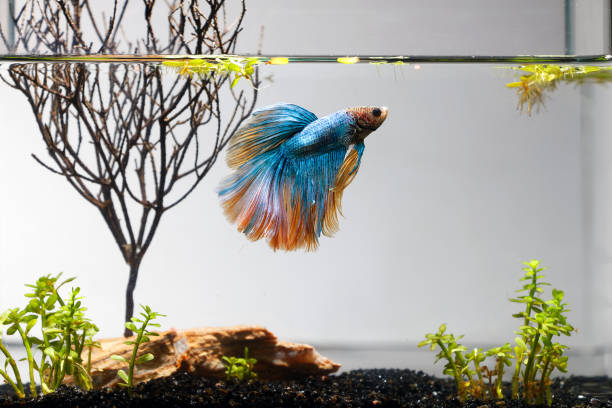
Among these beautiful fish, certain varieties stand out for their rarity and high price tags. Below is a detailed look at the top seven most expensive betta fish varieties and what makes them so desirable.
These stunning bettas resemble ornamental koi carp with their characteristic marbled patterns of red, orange, black, and white.
– Unique coloration: No two koi bettas share the same pattern.
– Marble gene: The genetic mutation responsible for their colors evolves over time, making each fish’s appearance dynamic and unpredictable.
Known for their extravagant 180-degree tail spread, Halfmoon bettas are highly sought after by enthusiasts worldwide.
– Symmetry and elegance: Perfect half-circle tails make this variety a showstopper in competitions.
– Variety of colors: From iridescent blues to striking reds.
| Traits | Halfmoon Betta Details |
| Tail Shape | 180-degree fan-like spread |
| Common Colors | Blue, red, pastel tones |
Plakat bettas are a modern twist on the original wild-type species but bred for specific traits that increase value:
– Short finsmake them more active swimmers compared to long-finned varieties.
– Striking genetics, such as metallic or dragon scale variations.
Characterized by a thick layer of shimmering scales that resemble armor plating:
– Metallic sheengives them an otherworldly appearance under light. – These bettas are often paired with bold base colors like red or turquoise.
A variant of koi bettas featuring iridescent “galaxy-like” speckles across their bodies: – High demand due to their aesthetic resemblance to stars scattered across a night sky. – They combine marble patterns with metallic sheen.
One of the rarest solid-colored bettas, the Black Orchid is prized for its dark beauty: – Typically features black bodies with subtle blue or purple highlights. – Limited availability contributes significantly to its high price.
Rosetail bettas exhibit extreme branching in their caudal fin rays: – The overabundance of fin rays creates a rose-like appearance. – This dramatic feature makes them both desirable and controversial among breeders due to potential health issues from excessive fin weight.
| Attribute | Rosetail Traits |
| Tail Description | Overlapping fins resembling petals |
| Breeding Concern | Over-finning can reduce mobility |
Key Factors That Add Value to a Betta Fish Online Shop
- Rarity: Limited availability increases exclusivity.
- Genetics: Complex breeding processes enhance unique traits like coloration or fin shape.
- Aesthetic Appeal: Specific physical traits cater to collector preferences.
- Competition Standards: Some varieties are bred explicitly for competitive exhibitions.
Collectors and aquarists alike treasure these expensive varieties not just for their beauty but also for what they represent—a careful balance of genetics, artful breeding practices, and nature’s splendor intertwined into one mesmerizing package.
A Comprehensive Guide to Buy Betta Fish for Sale: Genetics, Colors, and Unique Traits
Metallic betta fish are among the most breathtaking varieties of bettas available. Their shimmering scales and striking coloration make them highly sought after by enthusiasts and breeders alike. This guide delves into the fascinating world of metallic bettas, examining their genetics, color variations, and what makes them stand out from other types.
Understanding the Genetics of Metallic Betta Fish
Metallic bettas owe their distinctive appearance to specific genetic traits. The metallic sheen on these fish is caused by a unique layer of iridescent pigment known as guanine. This layer enhances their colors by reflecting light, giving them a mirror-like quality.
The genes responsible for metallic traits are typically linked to what’s known as the “iridescent gene.
- Homozygous (pure metallic):These fish have two copies of the metallic gene and exhibit a strong iridescent effect.
- Heterozygous (partial metallic):These fish carry only one copy of the gene, resulting in a subtler sheen.
Breeding metallic bettas often involves careful genetic planning to enhance their vibrant appearance while maintaining desirable health and fin traits.
Color Variations in Metallic Betta Fish
Metallic bettas come in a wide range of colors, many of which shimmer like polished metal under light.
- Copper:A rich bronze or gold tone with a striking reflective quality.
- Steel Blue:A soft blue with an almost silver-like shimmer.
- Royal Blue Metallic:Deep blue hues enhanced with an intense metallic finish.
- Gold:Bright yellow or deep golden tones that gleam vividly under light.
- Dragon Scale:Featuring thickened iridescent scales that give a “dragon-like” texture over vibrant base colors.
Each color variation depends on both the base pigmentation and the degree of iridescence produced by the metallic genes.
| Type | Base Color/Appearance | Unique Feature |
| Copper | Bronze or gold | Rich reflective sheen |
| Steel Blue | Silver-blue | Subtle glow under lighting |
| Royal Blue Metallic | Deep blue | High-intensity shimmer |
| Gold | Yellow/golden tones | Bright glimmer under sunlight |
| Dragon Scale | Vivid base colors | Thickened “armored” scale look |
Unique Traits That Set Metallic Bettas Apart
- Light Refraction:Their scales scatter and refract light differently than non-metallic types, creating an almost glowing effect when viewed at certain angles.
- Enhanced Color Depth:The added layer of guanine intensifies existing pigments, making their colors more vivid compared to standard variations.
- Scalation Patterns:Certain subtypes like dragon-scale metallics possess thicker scales that give them a textured appearance.
These unique characteristics not only make them visually stunning but also increase their value among collectors and hobbyists who seek rare or unusual varieties.
Exploring the world of metallic bettas reveals just how diverse and captivating this species can be. Their dazzling appearances are a testament to both nature’s creativity and human efforts in selective breeding—resulting in fish that resemble living jewels within aquariums worldwide.
Exploring the Rarest Betta Fish Types of 2025: Stunning Colors and Collector Favorites
While many Betta species are readily available in aquariums worldwide, some varieties stand out due to their rarity, unique features, or appeal to collectors. In 2025, a few extraordinary types have captured the attention of hobbyists and enthusiasts alike. Let’s dive into these rare beauties and understand what makes them so special.
Albino Bettas are among the most elusive varieties in the Betta world. Their lack of pigmentation gives them a ghostly white appearance with pink or red eyes.
What makes them rare?
– Genetics: Albino Bettas possess a recessive genetic trait that is difficult to replicate through breeding.
– Health Challenges: They are highly sensitive to light and prone to genetic defects, making successful breeding even more challenging.
| Trait | Description |
| Body Color | White with no pigmentation |
| Eye Color | Pink or red |
| Rarity Level | Extremely Rare |
The Black Orchid variety is prized for its mesmerizing blend of deep black bodies and iridescent blue or green highlights along their fins.
Key Features:
– Jet-black scales with metallic hues resembling orchids.
– Intricate patterns on their fins that shimmer under light.
This type is often sought after by collectors due to its striking contrast and elegant appearance.
As the name suggests, Giant Bettas are much larger than standard varieties, often reaching up to 4–5 inches in length compared to the average 2–3 inches.
Why are they rare?
– Selective breeding over generations has led to this size anomaly. – Their larger size makes them more challenging to maintain in captivity since they require bigger tanks and careful care.
Candy Koi Bettas mimic the appearance of koi fish with their multicolored scales featuring hues like orange, yellow, white, pink, and blue.
Unique Traits:
– Unpredictable color patterns that change over time as the fish matures (marble effect).
– Vibrant mix of pastel tones found only through meticulous crossbreeding efforts.
These dynamic color changes make Candy Koi a favorite among enthusiasts who value unpredictability in aesthetics.
Green Dragon Bettas boast shimmering green metallic scales layered over darker base colors like black or brown.
Highlights:
– The metallic sheen gives an almost armor-like effect on their bodies. – They’re particularly rare because achieving true green coloration is complex genetically.
Hellboy Bettas feature intense red coloration over almost their entire body and fins with minimal breaks between hues—often paired with darker edges for dramatic contrast.
Their bold appearance makes them stand out significantly from other varieties, but they remain relatively scarce due to selective breeding practices.
Rosetail Bettas exhibit fins so elaborate that they resemble rose petals when fully spread apart during displays or swimming motions.
What contributes to their rarity?
– The gene responsible for extended fin growth requires careful control; otherwise, it can result in deformities or reduced lifespan. – Their maintenance requires exceptional care due to fragile fin structures prone to tearing or infection.
Final Thoughts on Rare Betta Varieties
Rare bettas like those mentioned above captivate aquarists because they combine unparalleled beauty with challenges requiring dedication from breeders and keepers alike. Their intricate genetics mean each variety tells its own story—one woven through years of selective breeding efforts aimed at perfecting nature’s artistry while preserving these extraordinary traits for future generations of enthusiasts worldwide.
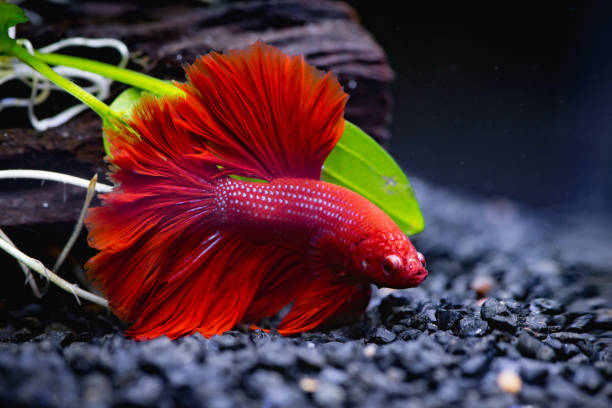
The Most Expensive Betta Fish of All Time: A Deep Dive into Record-Breaking Beauties
Betta fish, with their dazzling colors and intricate fins, have long been a favorite among aquarium enthusiasts. Some truly exceptional specimens have gained global attention due to their unique traits and jaw-dropping price tags. Below, we explore some of the most expensive betta fish ever sold, delving into what makes these aquatic gems so valuable.
Key Factors Influencing Betta Fish Value
The value of a betta fish is determined by various factors, including: – Rarity of Color: Unique and rare color combinations such as metallic gold, pure white (platinum), or multicolored “koi” patterns can significantly increase a betta’s price.Fin Shape and Size: Variants like the Halfmoon and Rosetail with perfectly symmetrical and flowing fins are highly sought after.Genetic Lineage: Bettas bred from champion bloodlines are more valuable due to their predictable quality and traits.Health and Lifespan: Healthy fish with vibrant scales, active behavior, and no visible deformities fetch higher prices.
Record-Breaking Betta Sales
Over the years, certain bettas have made headlines for their extraordinary sale prices. Here are some notable examples: | Year | Betta Variety | Price (USD) | Notable Features | |——|———————-|——————|————————————————–| | 2016 | Koi Betta | $1,500 | Vibrant koi-like patterns resembling Japanese carp. | | 2017 | Halfmoon Betta | $2,000 | Perfectly symmetrical half-circle tail fin. | | 2020 | Metallic Dragon Scale Betta | $3,000 | Rare metallic sheen combined with dragon-like scales. | | 2022 | Albino Betta | $4,500 | Completely white body with striking red eyes—extremely rare genetic mutation.
Most Expensive Betta Fish Ever Sold
The title for the most expensive betta fish ever sold goes to a stunning Koi Galaxy Betta, which fetched an incredible $10,000in 2021. This specimen displayed an otherworldly blend of colors that resembled galaxies—vivid blues merging seamlessly into fiery reds and bright orange patches.
Why Do Collectors Pay So Much?
For collectors, owning an extraordinary betta is not merely about aesthetics; it’s also about prestige and passion for aquatics.Rarity: The rarer the specimen’s appearance or genetic mutation, the more exclusive it becomes.Exclusivity: Many high-priced bettas are one-of-a-kind creations by skilled breeders.Cultural Significance: In countries like Thailand—the birthplace of the betta—these fish often symbolize status or good fortune.
Tips for Aspiring Collectors
If you’re intrigued by high-value bettas but don’t know where to start: 1. Research breeders who specialize in unique strains. 2. Look for documentation verifying genetic lineage. 3. Attend auctions or online marketplaces dedicated to exotic fish sales. 4. Ensure you’re equipped to provide optimal care for your investment.
Taking proper care of these aquatic treasures ensures not only their health but also sustains their vibrant appearance over time—and perhaps even increases their value further down the line.
Top 10 Best Tank Mates for Your Betta Fish: Creating a Harmonious Aquarium Environment
However, with careful planning and consideration of their unique behavior, it is possible to create a community aquarium where bettas can coexist peacefully with other species. Here are the top 10 best tank mates for your betta fish, along with tips to ensure a harmonious environment.
Corydoras catfish are peaceful bottom-dwellers that make excellent tank mates for bettas. They occupy the lower part of the tank and rarely interact with the betta. Their calm temperament and non-threatening nature help create a balanced dynamic.
- Tank Size: Minimum 10 gallons
- Water Parameters: pH 6. 5–7.
- Special Notes: Keep them in groups of at least three to five.
These eel-like fish spend most of their time scavenging along the substrate, avoiding direct interaction with bettas. Their peaceful demeanor makes them an ideal choice for community tanks.
- Tank Size: Minimum 20 gallons
- Water Parameters: pH 6. 0–7.
- Special Notes: Provide hiding spaces like caves or plants.
Harlequin rasboras are small, schooling fish that tend to stay in groups near the middle or upper water column without bothering a betta.
- Tank Size: Minimum 10 gallons
- Water Parameters: pH 6. 0–7.
- Special Notes: Keep at least six individuals to prevent stress.
Ember tetras are vibrant and peaceful, making them compatible with bettas in terms of both temperament and space requirements.
- Tank Size: Minimum 10 gallons
- Water Parameters: pH 5. 5–7.
- Special Notes: Avoid overly active tetra species that could stress out your betta.
Mystery snails are non-aggressive and primarily focus on cleaning algae from surfaces rather than interacting with their tankmates.
- Tank Size: Minimum 5 gallons (per snail)
- Water Parameters: pH above 7; temperature range varies by species but often overlaps with bettas’ requirements (74–82°F)
Choosing Compatible Tank Mates
- Avoid fin-nipping species like barbs or guppies that may harm your betta’s delicate fins.
- Ensure ample swimming space in the tank by adhering to size recommendations.
- Monitor new additions carefully for signs of aggression or stress.
- Provide plenty of hiding spots using live plants, driftwood, or decorations.
| Species | Tank Level | Group Size Recommended | Aggression Level |
| Corydoras Catfish | Bottom | At least three | Peaceful |
| Kuhli Loaches | Bottom | Three or more | Peaceful |
| Harlequin Rasboras | Middle/Top | Six or more | Very Peaceful |
| Ember Tetras | Middle | Six or more | Very Peaceful |
| Mystery Snails | All Levels | One per five gallons | Non-Aggressive |
While adding companions can enhance the visual appeal and dynamics of your aquarium, always prioritize the well-being of all species involved through careful observation, appropriate tank setup, and regular maintenance practices.
Why You Should Buy Betta Fish Online and What Makes Them So Expensive
However, many people wonder why some bettas command such high prices. Below is an exploration of the key factors that make certain betta fish so valuable in the marketplace.
Color is one of the most significant factors influencing a betta’s price. While standard red or blue bettas are relatively common, rare colorations make certain individuals more desirable to collectors and enthusiasts.
- Mustard Gas Betta: A striking contrast of blue/green bodies with yellow fins.
- Koi Betta: Multi-colored patterns resembling koi fish.
- Metallic Betta: Shimmery scales that reflect light with an iridescent glow.
- Solid White Platinum Betta: Prized for its pure, uniform white appearance.
The rarity of these colors often results from selective breeding efforts that involve time, expertise, and careful genetic planning.
In addition to coloration, different fin shapes contribute significantly to a betta’s value.
| Fin Type | Description |
| Halfmoon | Fins that form a full 180-degree arc when fully flared. |
| Crown Tail | Extended rays that resemble the points of a crown. |
| Rosetail | An exaggerated version of the Halfmoon with extra fin tissue, giving it a “rose petal” appearance. |
| Dumbo Ear | Enlarged pectoral fins resembling elephant ears. |
These unique traits often require years of selective breeding to perfect, making them more expensive than traditional veil-tail or short-finned varieties.
Betta breeders spend years developing specific traits through controlled breeding programs. Fish from reputable breeders often come with detailed lineage information to prove their pedigree. Lineages with rare genetic traits or long-standing purity tend to fetch higher prices due to their exclusivity.
Some breeders also focus on creating hybrid strains or introducing new mutations into existing lines, which further adds to the value.
- High-quality diet: Promotes vibrant coloration and robust health.
- Disease-free certification: Ensures buyers are purchasing healthy specimens.
- Selective breeding practices: Avoids genetic defects associated with poor-quality stock.
Buyers often consider these factors because healthier fish typically live longer and display better coloration over time.
Bettas aren’t just pets; they’re collectibles for many aquarists who appreciate their beauty and rarity. Limited-edition strains released by elite breeders can create a surge in demand—and consequently higher prices—among hobbyists looking for exclusive specimens.
For example: – Bettas featured in competitions or online auctions frequently sell for hundreds or even thousands of dollars. – Exotic types like albino bettas or those with intricate marbling patterns attract dedicated collectors willing to pay premium prices.
Certain high-value bettas are bred in specific regions such as Thailand or Indonesia before being exported worldwide. The cost of shipping internationally—including certifications, permits, and specialized transportation—is often reflected in their retail price.
Transporting fragile ornamental fish requires: – Temperature-controlled environments. – Secure packaging designed to minimize stress during transit. – Compliance with import/export regulations on live species.
These logistical expenses add another layer of cost that contributes to the overall price tag.
Collectively, color rarity, unique physical traits, pedigree, health standards, collector interest, and transportation logistics all play significant roles in determining why some bettas are far more expensive than others. Understanding these factors helps prospective buyers appreciate not only the monetary value but also the careful breeding practices behind these mesmerizing fish species.
What Makes Some Betta Fish So Expensive?
However, not all bettas are created equal. Certain factors drive the price of some bettas to astonishingly high levels. Below is an exploration of the key elements that contribute to the high value of some betta fish.
The genetic makeup of a betta fish plays a significant role in determining its price. Specific traits, such as rare colors or patterns, are often tied to complex genetic combinations that breeders work tirelessly to achieve over multiple generations.
- Rare Colors: Examples include mustard gas (a mix of yellow and blue), pure white platinum bettas, or purple-hued varieties that occur infrequently in breeding programs.
- Unique Patterns: Marble-patterned or koi-patterned bettas attract higher prices due to their one-of-a-kind designs.
- Selective Breeding: Breeders often invest years into producing specific traits seen in high-value exotic breeds.
The shape, size, and condition of a betta’s fins significantly affect its desirability. Some tail types are considered more elegant or dramatic than others, making them highly sought after by collectors.
| Tail Type | Description | Price Impact |
| Halfmoon | A full 180-degree spread resembling a semi-circle | High |
| Crowntail | Spiky fin edges resembling a crown | Medium |
| Rosetail | Exaggerated Halfmoon fins with extra ruffles | Very High |
| Plakat | Short-finned variety prized for its sleek look | Variable |
Fish with symmetrical fins and tails free from defects fetch much higher prices due to their aesthetic appeal.
The intensity and uniformity of a betta’s coloration can make all the difference between an average pet store fish and a show-winning specimen. Collectors look for vibrancy, even pigmentation, and rare metallic sheens.
Key color attributes include: – Brightness: Deep reds or electric blues are especially prized. – Iridescence: Metallic sheen adds rarity value. – Clarity: Clear distinction between patterns without muddiness.
Trends in the aquarist community can also influence the price of certain varieties. For instance: – Koi Galaxy Bettas surged in popularity over recent years due to their resemblance to koi fish. – Albino Bettas are valued for their rarity despite being fragile genetically.
When demand increases for certain varieties among enthusiasts or during competitions, prices tend to skyrocket.
The reputation of breeders also impacts pricing significantly: – Renowned breeders often command higher prices due to their proven track record. – Fish with certificates certifying lineage carry premium value.
High-end breeders dedicate resources such as advanced filtration systems, specialized diets, and optimal tank conditions—all contributing factors reflected in cost.
A healthy betta with no physical deformities is always more valuable than one with imperfections like torn fins or faded color patches: – Bright eyes free from cloudiness indicate overall health. – Active swimming behavior signals vitality—a trait buyers prioritize when selecting a fish.
Understanding why some Betta fish are so expensive requires looking at the intricate interplay between genetics, aesthetics, rarity, demand trends among collectors—and just as crucially—breeder expertise. It’s this combination that makes these aquatic beauties not only living works of art but also prized investments for enthusiasts around the world.
- A Complete Guide to Buy Betta Fish for Sale and Care Tips
- Top 7 Most Expensive Betta Fish for Sale and What Makes Them Unique
- Where to Find the Best Betta Fish for Sale and How to Care for Them
- Essential Tips to Consider When Looking for Betta Fish for Sale and Caring for Them
- Finding the Best Betta Fish for Sale: Tips on Habitat, Feeding, and Health
- Discover the Origin, History, and Best Places to Find Betta Fish for Sale
- 8 Essential Tips to Choose the Perfect Betta Fish for Sale for Your Aquarium
- A Comprehensive Guide to Caring for Your Betta Fish from an Online Shop