

Betta fish, also known as Siamese fighting fish, are among the most popular freshwater aquarium fish due to their vibrant colors, unique personalities, and relatively low-maintenance care. However, keeping a betta healthy and happy requires understanding their specific needs and behaviors. Below is a comprehensive guide to caring for these beautiful creatures.
Understanding Betta Behavior
Before diving into care specifics, it’s important to understand your betta’s natural behavior:
– Origins: Bettas originate from shallow waters in Southeast Asia, such as rice paddies and slow-moving streams.
– Territorial Nature: Male bettas are highly territorial and should not be kept with other male bettas.
– Labyrinth Organ: They can breathe surface air thanks to their labyrinth organ, making them more adaptable to lower oxygen environments compared to other fish species.
Steps for Creating the Perfect Environment
- A common misconception is that bettas can thrive in small bowls or cups. In reality, they require at least 5 gallons of water for adequate swimming space.
- Larger tanks (10 gallons or more) provide additional stability in water parameters.
- Use fine gravel or sand as the substrate.
- Include plenty of plants (live or artificial) and hiding spots like caves or driftwood. Avoid sharp decorations that could tear delicate fins.
- Water Conditions
Betta fish thrive in water with the following parameters: | Parameter | Ideal Range | |—————–|——————| | Temperature | 76°F–82°F | | pH Level | 6. 5–7. - Proper Acclimation
When introducing your betta into a new tank: - Float the sealed bag containing your betta in the tank water for about 15–20 minutes.
- Gradually mix small amounts of tank water into the bag every few minutes before releasing the fish.
Essential Do’s and Don’ts
- Perform regular partial water changes (20%-30% weekly).
- Test water regularly using quality aquarium testing kits.
- Provide a balanced diet (discussed further under diet practices).
- Never house male bettas together or with aggressive tank mates.
- Avoid keeping them in tiny containers without filtration or heating systems.
- Don’t feed them excessive amounts of food at once; it can lead to bloating or poor water quality.
Caring for a betta can be an incredibly rewarding experience when their environment and needs are properly catered to. By providing clean water, appropriate space, and observing their behaviors closely, you’ll create a thriving habitat where your betta can live its fullest life span of up to three years—sometimes even longer when cared for well.
How to Buy Betta Fish Online and Ensure Proper Feeding Practices
Below is a breakdown of dietary best practices for your betta fish.
Essential Tips for Choosing a Betta Fish Online Shop
- Choose pellets with a high percentage of protein (40% or more) as the primary ingredient.
- Avoid fillers such as wheat or cornmeal, which provide little nutritional value.
- Frozen or Live Foods
Bettas thrive on a diet supplemented with frozen or live prey items that replicate their natural diet: - Brine shrimp: A great source of protein and easy to digest.
- Bloodworms: Rich in nutrients but should be offered as an occasional treat due to high fat content.
- Daphnia: Often referred to as “water fleas,” these promote digestion and provide essential roughage.
- Freeze-Dried Foods
Freeze-dried options like bloodworms or brine shrimp are convenient alternatives; however, rehydrate these foods before feeding to reduce the risk of bloating. - Vegetable-Based Options (Occasionally)
While bettas are primarily carnivorous, offering tiny amounts of blanched peas (with skin removed) can aid digestion if constipation arises.
| Food Type | Frequency | Notes |
| Pellets | Daily (1-2 times/day) | Feed 3-4 pellets at each meal |
| Frozen/Live | 2-3 times per week | Rotate between different types |
| Freeze-Dried | 1-2 times per week | Rehydrate before serving |
| Vegetables | Rarely (as needed) | Use sparingly for digestion |
Guidelines for Feeding When You Buy Betta Fish for Sale
- Portion Control
Avoid overfeeding, which can lead to obesity and water quality issues in the tank. A good rule is only to feed an amount your betta can consume within two minutes. - Feed Twice Daily
Providing smaller portions twice a day helps regulate your betta’s metabolism and energy levels. - Fast Your Betta Once Weekly
Skipping one day per week allows your fish’s digestive system time to clear out excess waste and reduces risks of overfeeding-related problems like constipation.
Foods to Avoid
- Breadcrumbs or human food scraps.
- Goldfish flakes or generic tropical fish flakes.
- Citrus fruits or acidic vegetables.
- Raw meat such as beef or poultry (not suited for aquatic digestion).
Monitoring Dietary Impact
Positive Signs:
- Vibrant coloration.
- Active swimming behavior.
- Regular bowel movements without signs of bloating.
Warning Signs:
- Lethargy or refusal to eat.
- Swollen abdomen indicating constipation or overfeeding.
- Faded coloration over time.
By providing a varied and balanced diet tailored specifically for your betta’s needs, you can ensure they remain healthy while showcasing their natural beauty effortlessly within your aquarium environment.
Best Diet Practices: What and How to Feed Your Betta Fish
A well-planned diet ensures your betta remains active and exhibits its stunning colors. Below is a comprehensive guide on what to feed your betta and how to establish the best feeding practices.
Primary Diet: High-Quality Pellets and Flakes
The foundation of your betta’s diet should consist of high-quality betta-specific pellets or flakes.
- Pellets:Opt for specialized floating pellets designed for bettas. These are easier for them to locate and eat.
- Flakes:While flakes are less common for bettas, ensure they are made specifically for carnivorous fish if you choose this option.
Note:Avoid overfeeding pellets or flakes as uneaten food can pollute the water.
Supplementary Foods: Enhancing Variety
To keep your betta healthy and engaged during feeding time, supplement their primary diet with live, frozen, or freeze-dried foods.
- Live Foods
- Brine shrimp
- Daphnia
- Bloodworms
- Frozen Foods
Frozen options offer convenience while preserving nutritional value. - Mysis shrimp
- Tubifex worms
- Freeze-Dried Foods
These foods have a longer shelf life and are less likely to harbor bacteria compared to live or frozen options. - Freeze-dried brine shrimp
- Freeze-dried bloodworms
Tip:Rehydrate freeze-dried foods in tank water before feeding them to avoid digestive issues.
Feeding Frequency: How Much is Enough?
Bettas have small stomachs roughly the size of their eye, so portion control is critical.
- Feed 2-3 pellets per meal twice daily.
- If offering live or frozen food treats, replace one pellet meal with these instead of adding extra food.
- Allow for a fasting day once a week to aid digestion and prevent overeating.
Foods to Avoid
| Food Type | Reason to Avoid |
| Generic tropical fish food | Insufficient protein content |
| Bread/processed human food | Difficult for digestion; lacks nutrition |
| Overly large pellets | Can cause choking or blockages |
Observing Your Betta’s Eating Habits
- Are they eagerly swimming up during meals? This indicates good health.
- Do they leave uneaten food lingering? This might signify overfeeding or disinterest due to illness or stress.
By adhering to these diet practices, you ensure that your betta receives balanced nutrition while avoiding common feeding mistakes that could impact its quality of life.
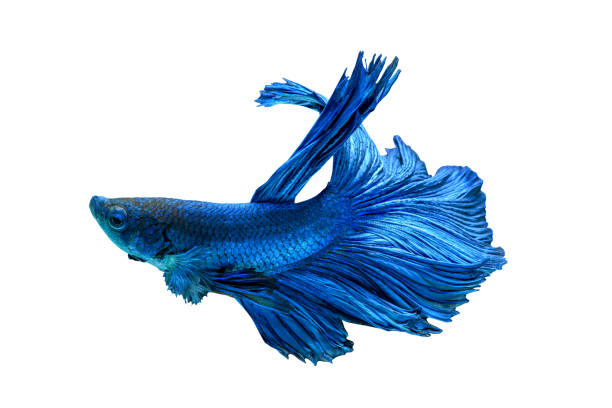
Choosing Compatible Tank Mates for Your Betta Fish
When selecting tank mates for a betta fish, it is essential to consider their temperament and environmental needs to promote a peaceful and stress-free aquarium. Below are important factors to keep in mind when choosing compatible tank mates for your betta fish.
Characteristics of Suitable Tank Mates
- Peaceful Temperament: Select non-aggressive and docile fish that won’t provoke or harass your betta.
- Small Size: Opt for smaller fish that won’t appear as a threat to the betta.
- Non-Flamboyant Appearance: Avoid brightly colored or long-finned species that could trigger the betta’s territorial instincts.
- Similar Living Requirements: Choose species that thrive in similar water parameters (temperature, pH) and tank conditions as bettas.
Compatible Fish Species
| Species | Temperament | Notes on Compatibility |
| Corydoras Catfish | Peaceful | Bottom-dwellers that stay out of the way of bettas. |
| Neon Tetras | Active but calm | Small, schooling fish. Keep them in groups of at least 6. |
| Harlequin Rasboras | Peaceful | Thrive in similar water conditions; avoid overcrowding. |
| Kuhli Loaches | Shy/peaceful | Bottom-dwelling scavengers; unlikely to interact much with the betta. |
| Mystery Snails | Non-aggressive | Provide diversity while being harmless to the betta. |
Species to Avoid
- Guppies: Their colorful appearance can provoke aggression from male bettas.
- Tiger Barbs: Known for fin-nipping behavior.
- Goldfish: Require colder water temperatures than what is ideal for a betta.
- Other Male Bettas: Male bettas will fight each other relentlessly if housed together.
Tips for Introducing Tank Mates
- Observe interactions during the first few days after adding new tank mates.
- Separate any aggressive or stressed individuals promptly.
- Decorate the aquarium with plants, rocks, or caves where both your betta and its companions can retreat if under stress.
- Before introducing new species into your aquarium, quarantine them separately to ensure they are healthy and free from diseases.
- Overcrowding can lead to heightened stress levels and aggressive behavior among all inhabitants.
By selecting compatible species and following proper care practices, you can create a harmonious multi-species environment while ensuring that your beloved betta remains comfortable and safe in its home.
The Importance of Proper Filtration, Lighting, and Heating in Betta Tanks
Creating and maintaining the right environment for your betta fish is crucial to their long-term health and happiness.
Filtration
A good filtration system is essential for maintaining clean water in your betta tank. While bettas are hardy fish, exposure to poor water quality can lead to stress, disease, or even death.
- Low-Flow Filters:Bettas are not strong swimmers and prefer calm waters. Choose a filter designed for low flow or one that allows you to adjust the flow rate.
- Three-Stage Filtration:Look for filters offering mechanical (removal of debris), biological (supporting beneficial bacteria), and chemical (removing toxins like ammonia) filtration.
- Maintenance Tips:Clean the filter media regularly but avoid replacing all components at once to preserve beneficial bacteria.
| Filter Type | Pros | Cons |
| Sponge Filters | Gentle current; ideal for bettas | Requires regular cleaning |
| Internal Power Filter | Compact design | May create strong currents |
| Hang-on-Back Filter | Efficient three-stage filtering | Can take up tank space |
Lighting
- Natural Day-Night Cycle:Bettas need a balance of light and darkness to regulate their internal clock. Provide 8–12 hours of light daily.
- LED Aquarium Lights:These are energy-efficient and come in adjustable intensities that mimic natural sunlight.
- Avoid Overexposure:Excessive lighting can lead to stress or algae growth. Use a timer to ensure consistency.
Heating
- Ideal Temperature Range:Maintain water temperatures between 76°F–82°F (24°C–28°C). Fluctuations outside this range can cause stress or illness.
- Aquarium Heaters:A submersible heater with adjustable settings ensures consistent temperatures. Choose one appropriate for your tank size.
- Thermometer Placement:Use an aquarium thermometer to monitor temperature levels accurately. Place it on the opposite side of the heater for precise readings.
Combining Systems for Optimal Results
To optimize your tank setup: 1. Use a reliable heater with an integrated thermostat. 2. Pair it with a filter that provides gentle water movement without disturbing the betta. 3. Add appropriate lighting that mimics natural conditions without overheating the tank.
By paying close attention to these factors—filtration, lighting, and heating—you establish an environment where your betta feels safe and comfortable while reducing maintenance efforts on your part. A well-equipped aquarium will help ensure the vibrancy and longevity of your pet’s life.
Fun Ways to Provide Exercise and Entertainment for Your Betta Fish
Betta fish, known for their vibrant colors and captivating personalities, are intelligent creatures that thrive with mental and physical stimulation. Boredom can lead to lethargy or even stress in bettas, so incorporating fun and engaging activities into their environment is essential. Below are some effective ways to keep your betta physically active and mentally stimulated.
Introduce Floating Toys or Decorations
Floating toys or objects can provide a great source of interaction for your betta. These items allow them to explore, push, or weave through objects in their tank.
– Ping pong balls: Place one on the water’s surface; bettas often enjoy nudging it around.
– Floating hoops: Use small rings for your fish to swim through as a form of exercise.
Be sure any toys or decorations are non-toxic, free of sharp edges, and specifically designed for aquarium use.
Use a Betta Mirror (Occasionally)
A betta mirror allows your fish to see its reflection momentarily. Bettas often flare at their reflections due to their territorial instincts. This activity mimics natural behaviors they would exhibit in the wild. However, limit this activity to just a few minutes per day as overexposure could lead to stress.
Add Live Plants
Live plants not only beautify the tank but also offer hiding spots and surfaces for exploration or play.
– Amazon swords
– Anubias
– Java ferns
Plants also improve water quality by absorbing nitrates and providing oxygen.
Create an Obstacle Course
Designing an obstacle course with rocks, caves, floating logs, or tunnels can encourage your betta to explore its surroundings more actively. Rearrange decorations periodically to provide variety while ensuring there is enough space for free swimming.
| Obstacle Suggestions | Material Considerations |
| Ceramic caves | Avoid sharp edges |
| PVC pipes | Rinse thoroughly before use |
| Driftwood pieces | Aquarium-safe only |
Train Your Betta with Food-Based Tricks
Bettas are intelligent enough to be trained using treats as motivation.
1. Following your finger along the glass of the tank. 2. Swimming through a hoop. 3. Jumping slightly above the water surface during feeding.
Use high-quality treats like bloodworms sparingly during training sessions.
Rotate Lighting Patterns
Changing lighting patterns occasionally can help simulate natural environments and promote activity during daylight hours while maintaining sleep cycles at night.
Tips for Safe Entertainment Practices
To ensure your betta stays healthy while enjoying these activities: – Always monitor new toys or changes in decoration for safety concerns. – Avoid overstimulation; balance activity time with rest periods. – Maintain proper water conditions—stimulation is ineffective if water quality is poor.
By incorporating these methods into your care routine, you’ll help ensure that your betta remains happy, healthy, and entertained throughout its life cycle.
- A Complete Guide to Buy Betta Fish for Sale and Care Tips
- Top 7 Most Expensive Betta Fish for Sale and What Makes Them Unique
- Where to Find the Best Betta Fish for Sale and How to Care for Them
- Essential Tips to Consider When Looking for Betta Fish for Sale and Caring for Them
- Finding the Best Betta Fish for Sale: Tips on Habitat, Feeding, and Health
- Discover the Origin, History, and Best Places to Find Betta Fish for Sale
- 8 Essential Tips to Choose the Perfect Betta Fish for Sale for Your Aquarium
- A Comprehensive Guide to Caring for Your Betta Fish from an Online Shop